Above 8,000 feet the air carries less oxygen, and your body notices. Here’s how to plan a first high-elevation campout that keeps altitude sickness from stealing the trip.
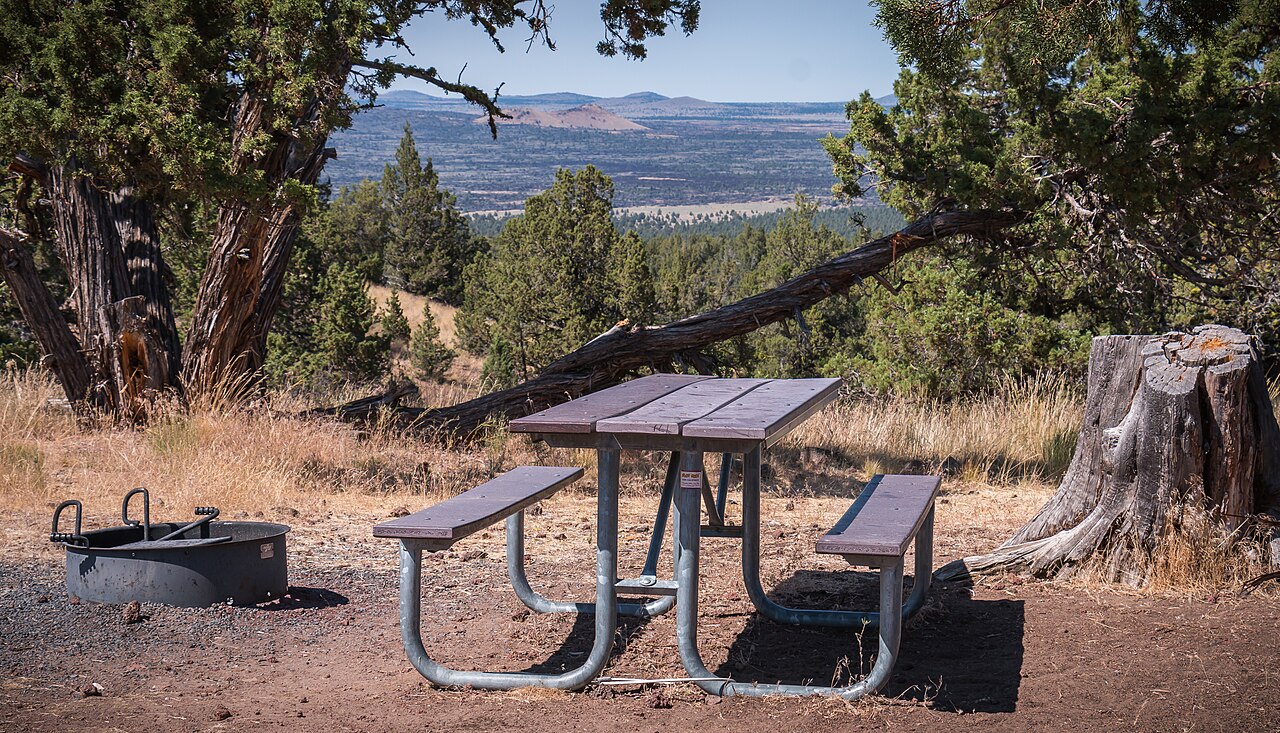
A campsite at 9,000 feet can look a lot like one at 4,000 feet: same picnic table, same fire ring, same pines. Your body disagrees. Above about 8,000 feet, each breath delivers less oxygen, and both the CDC and the National Park Service treat that as the point where altitude illness becomes a real risk, even for people on easy hikes or scenic drives. This guide covers how altitude changes sleep, water and cooking at camp, how to spot altitude sickness early, and how to plan a first high-country trip that ends well.
When Elevation Starts to Matter at Camp
Air pressure drops as you climb, so every breath carries fewer oxygen molecules. The CDC reports that at around 10,000 feet, the oxygen available in each breath is only about 69% of what it is at sea level, and acute exposure can push blood oxygen saturation down into the 88 to 91% range. That shortfall hits hardest overnight. Low blood oxygen, called hypoxemia, is greatest during sleep, which is why day trips to high country that end back at a lower elevation are much easier on the body than sleeping up high.
The body does adapt. The acute phase of acclimatization, the process of adjusting to less oxygen, takes place over the first 3 to 5 days after ascent and involves faster breathing, improved oxygenation and changes in blood flow to the brain. Altitude illness can show up before that adjustment finishes. After it does, your risk drops sharply, though your top exercise pace at altitude will always trail what you could do at home.
Some health conditions raise the stakes. The NPS cautions that hypertension, diabetes, and disorders involving the brain, heart, or lungs are among the problems that high elevation can aggravate, sometimes fatally. People with compromised lung function need particular caution, because breathing harder is the body’s main way of adapting. If that describes you or someone in your group, talk with a healthcare provider before you book anything.
What Altitude Sickness Looks Like
Doctors call the least severe type of altitude illness acute mountain sickness, or AMS for short. Symptoms typically begin 6 to 10 hours after you arrive at elevation, and they can show up on night one at a drive-in campground as easily as on a backpacking trip. Mild symptoms include a headache, faster breathing, a quickened pulse, nausea, loss of appetite, low energy and a general feeling of being unwell. Treat them as a warning not to go any higher.
| Stage | Common signs | What to do |
|---|---|---|
| Mild AMS | Headache, nausea, poor appetite, low energy | Rest at the same elevation; pain relievers can ease the headache; symptoms usually fade within a couple of days |
| Moderate AMS | Vomiting, worsening shortness of breath, headache that pain relievers don’t touch | Go down right away; stay a full day at an elevation where you feel well before climbing again |
| Severe AMS, HACE or HAPE | Trouble with balance or coordination, slurred speech, confusion, extreme shortness of breath, wet or rasping cough, bluish skin | Descend at once and get medical attention |
Two names in that last row deserve definitions. High-altitude cerebral edema, or HACE, develops when AMS progresses to dangerous swelling in the brain; it is uncommon but can be fatal, and the person needs to get lower right away. High-altitude pulmonary edema (HAPE) is a buildup of fluid in the lungs that can turn life-threatening fast; the person must descend right away and will likely need oxygen.
The good news is that mild AMS usually clears on its own within a couple of days of resting at the same elevation, and symptoms typically improve within 1 to 3 days. Anyone with altitude illness should not go higher until they have no symptoms at all.
Camp tip
The National Park Service has a blunt rule for headaches at altitude: treat one before you climb another foot. If treatment does not work, stay put or go down.
The Climb-High-Sleep-Low Rule
Climb high, sleep low means you can hike up as far as you like during the day, as long as you come down to sleep and raise your sleeping elevation gradually. Because low blood oxygen is worst during sleep, where you spend the night matters more than where you wander at noon.
The agencies phrase the limits a little differently, so pick the conservative number:
- The NPS advises that once a trip climbs above 10,000 feet, you should first pass a night at an intermediate elevation, and that every night’s camp should sit no more than 1,000 feet above where you slept the evening before.
- The CDC says to avoid going from a low elevation to a sleeping elevation above 9,000 feet in a single day, and to spend a few days at 8,000 to 9,000 feet first if you can. Above 9,000 feet, raise your sleeping elevation by no more than 1,600 feet per day, and add a rest day at the same elevation for every 3,300 feet you gain.
Two more habits protect you. First, plan an easy arrival. For the first 48 hours above 8,000 feet, the CDC advises skipping alcohol and hard workouts altogether, and research on workers flown rapidly to the South Pole, at 9,303 feet, found that moderate to intense activity in the first 24 hours after ascent increased rates of AMS. Set up camp, take a short walk, cook dinner, go to bed early. Second, if you can’t build a gradual ascent into the itinerary, acclimatize in advance: spending two nights or more above 9,000 feet within 30 days before a longer high trip helps prevent altitude illness.
If you’re heading into the backcountry at a park like Rocky Mountain, where most trails begin above 8,000 feet, rangers there suggest passing a night at 7,000 to 8,000 feet before you set out. Wilderness camping in the park also requires a permit, so check the rules early.
Water, Food and Alcohol at Altitude
High country is dry. Cold air, low humidity and faster breathing all pull moisture out of you, and dehydration makes every other problem worse. The NPS points out that by the time you feel thirsty, dehydration has already started, so sip often instead of waiting. Carry more water than you think you need and bring a way to resupply from streams and lakes; our guide to making stream and lake water safe to drink covers your options.
Appetite often fades at altitude. Loss of appetite is itself a mild AMS symptom, so plan meals you’ll actually want to eat when nothing sounds good: simple, warm and quick to cook. Stoves also behave differently in thin, cold air and wind, so test your cooking setup before the trip and keep dinner uncomplicated.
Alcohol gets its own mention because the guidance is specific: skip it entirely for your first 48 hours above 8,000 feet. More generally, avoid anything that slows breathing, since breathing harder is how your body adjusts.
Weather and Sun Above the Trees
Mountain weather turns fast. In high country, the NPS warns that clear skies can turn into severe storms in only a few hours, and high winds are common; wind chill speeds the loss of body heat and can push you toward hypothermia. Dress in layers you can add or shed, and always pack rain and storm gear.
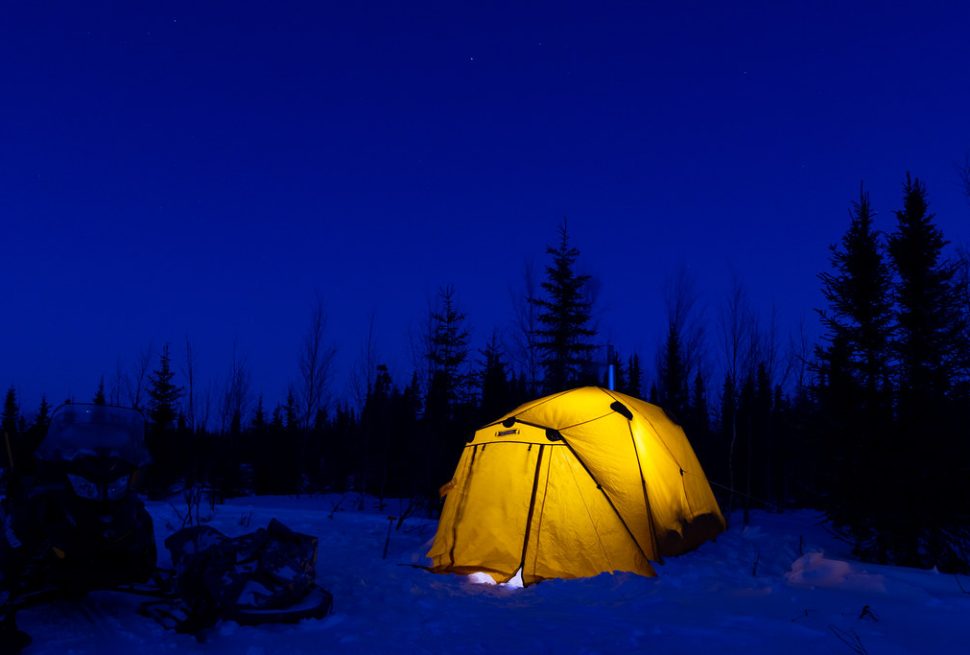
Summer afternoons in many ranges bring frequent thunderstorms, and high ridges are especially exposed to lightning. Save summits and exposed ridgelines for the morning, and be off high ground by midday. Our guide to thunderstorms at camp covers shelter choices and timing. Nights run cold even in summer at elevation, so our guide to camping in cold weather is worth a read before you pick a sleeping bag and pad.
The sun is stronger up high, too. Ultraviolet radiation increases at altitude, and the NPS recommends a hat, sunglasses, protective clothing and sunscreen. Long sleeves and pants do double duty against sun and wind.
When to Descend and Where to Get Help
Descent is the treatment that always works, so know your exit before you need it. If symptoms intensify even while someone is resting, they need to get to lower ground right away rather than risk becoming seriously ill. The NHS adds a useful benchmark: if symptoms haven’t improved after a day at the same altitude, drop roughly 300 to 1,000 meters, about 1,000 to 3,300 feet, if you can. HACE and HAPE call for immediate descent and medical care.
Figure out in advance where you’d descend to and where help lives. Plenty of park rangers are trained EMTs who can provide first aid, and 911 reaches most park areas, though cell coverage can be thin. High-elevation destinations are often remote, with difficult access to medical care, so note the nearest ranger station or clinic when you arrive.
Medicine has a role, too. Doctors can prescribe drugs that lower the odds of getting AMS and help the body adapt more quickly, and the CDC suggests talking with your doctor if your itinerary forces a fast ascent. That conversation is doubly worthwhile for anyone with a heart, lung or other chronic condition.
A First High-Elevation Campout: Planning Checklist
Screenshot this list before you go:
- Choose a first sleeping elevation at or below 8,000 to 9,000 feet if you live low.
- Add a night at a moderate elevation before anything higher, and keep each night’s gain within the limits above.
- Keep the first 48 hours easy: short walks, no hard hikes, no alcohol.
- Check the forecast, fire restrictions and any permit or reservation requirements.
- Pack extra water capacity and a treatment method, plus layers, rain gear, a hat, sunglasses and sunscreen.
- Plan simple meals and test your stove beforehand.
- Learn the AMS symptoms and agree as a group that anyone with worsening symptoms descends.
- Note the nearest ranger station, clinic and descent route.
- Store food properly if bears or other wildlife live where you’re camping.
- Ask a doctor about preventive medicine if anyone has a relevant condition or you must ascend fast.
If that list feels long, start with a single decision: pick a campground below 9,000 feet for your first night, close enough to home for an easy drive, and plan a slow arrival day. Everything else builds from there.
For the day-hike side of the same trip, our first hike at high elevation checklist pairs well with this plan.
- A First-Timer’s Guide to Planning a Backpacking Trip: builds a full overnight plan, including permits and pacing, for trips beyond a drive-in campground.
- Food Storage in Bear Country: explains lockers, canisters and camp layout, which matter at many high-elevation campgrounds.
- How to Choose a Sleeping Pad: a warmer pad makes a real difference on cold nights at altitude.
Camp notes
- Altitude illness risk begins above about 8,000 feet, and low blood oxygen is worst during sleep, so your sleeping elevation matters more than your daytime high point.
- Spend a few days at 8,000 to 9,000 feet before going higher, and once above 9,000 feet raise your sleeping elevation by no more than 1,600 feet per day.
- Mild acute mountain sickness brings headache, nausea and low energy; symptoms that worsen at rest, confusion or a wet cough mean descend immediately.
- Keep your first 48 hours above 8,000 feet easy: no alcohol and no hard workouts, drink often, and treat any headache before climbing higher.
- Talk with a doctor before the trip if anyone has a heart, lung or other chronic condition, or if your plan requires a fast ascent.
Questions campers ask
At what elevation should I worry about altitude sickness?
The CDC and the National Park Service both point to about 8,000 feet as the level where altitude illness becomes a risk. Anyone can get it, including people on easy hikes or scenic drives.
How long does it take to adjust to sleeping at high elevation?
The acute phase of acclimatization takes place over the first 3 to 5 days after ascent. Mild symptoms usually improve within a couple of days with rest at the same elevation.
Can I hike high during the day if I sleep lower?
Yes. Climbing high and sleeping low works in your favor because low blood oxygen is greatest during sleep. Just keep each night’s sleeping gain within the conservative limits.
Should I bring medicine for altitude sickness?
Preventive medicines exist and require a prescription. A doctor can match the option to your health history and how quickly you plan to gain elevation, so ask before you leave home.
Rules, fire restrictions and closures differ by park, forest and district and can change quickly. Check with the land manager before your trip. This guide is general information, not professional safety advice.