A line-by-line cost breakdown for black bear and grizzly country: spray, canisters, lockers and rentals, so you can budget your first trip with real numbers.
Camping where bears live calls for a short list of gear most trips never need: something to deter a bear, and something to store food that a bear cannot open. In several parks, that gear is not optional. The list is short, though, and parts of it can be rented or borrowed for a few dollars. Here is what each item costs, what renting instead looks like, and where the rules come from.
Why Bear Country Camping Has Upfront Costs
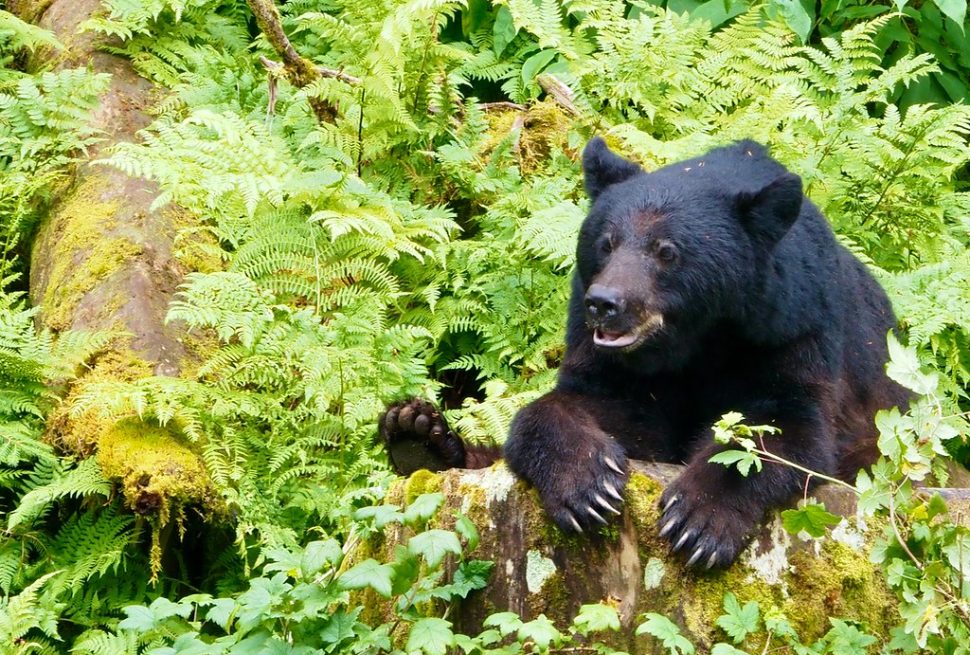
Bears are motivated. Yosemite’s black bears can smell food from over a mile away and can eat up to 20,000 calories a day. When one gets human food, it can become aggressive, and the park notes that bears sometimes have to be killed as a result. That is why food storage rules are strict, and why rangers want you prepared before an encounter happens, not during one.
Some parks make the gear requirement explicit:
- Yosemite requires bear-resistant food containers for overnight hikers throughout its wilderness.
- Olympic requires an approved animal-resistant food container in all wilderness areas of the park.
- Rocky Mountain requires a commercial hard-sided canister for wilderness overnights from April 1 through October 31, and you must bring it to the Wilderness Office to pick up your permit.
- North Cascades requires food canisters at specific backcountry camps and cross-country zones, including Boston Basin and Sahale Glacier.
The odds of a bad encounter are low. Yellowstone averages about one visitor injured by bears per year. But the gear protects bears as much as people, and in the places listed above it is the law. So plan for two line items: a deterrent and a storage method.
Bear Spray: Purchase Price, Rental Options and Shelf Life
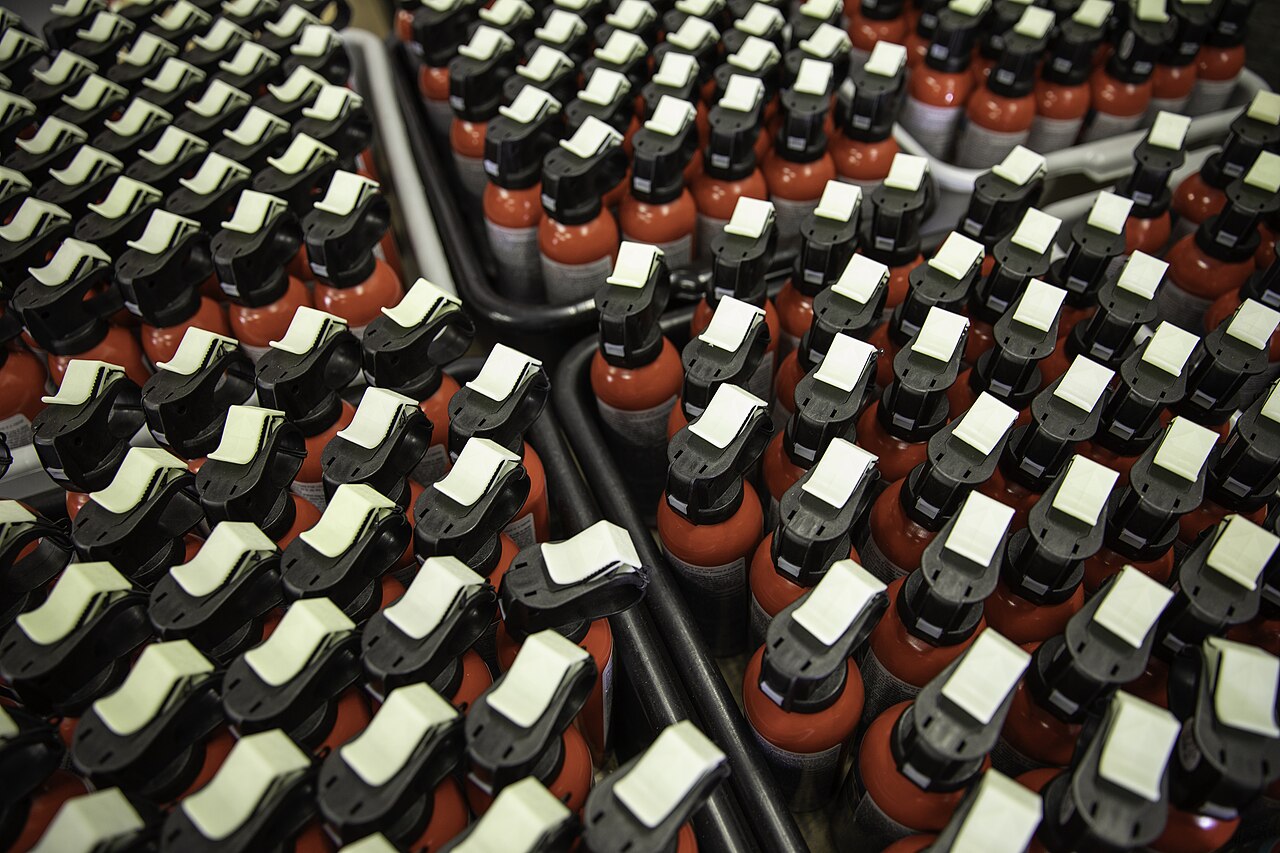
Buying is the straightforward route. At large retailers, single canisters with holsters are commonly listed from about $28 to $40, and two-packs run roughly $75 to $90. Field tests by an outdoor magazine have listed popular models between $43 and $70. Know what you are paying for: manufacturers advertise spray clouds reaching 30 to 40 feet, and a full can empties in roughly five to eight seconds. That short window is why training matters more than the price tag.
Renting makes sense for a one-time trip. In Yellowstone, the Bear Aware program rents spray from a yurt south of the Yellowstone Tribal Heritage Center at Old Faithful, plus a kiosk near the Canyon Visitor Education Center. A rental includes a safety video and instructions, the spray itself, a holster and a belt, and you can rent by the day or the week. Return the canister unsprayed and undamaged and your deposit comes back. Drop-off points include Mammoth, Tower-Roosevelt, Grant Village, Old Faithful, Madison and Fishing Bridge. Ask at the counter about current rates, since they are posted on site rather than in the park’s general information.
On shelf life, most cans carry a printed expiration date. Check it before each season and replace a can that has passed it, or one that has ever been fired. Rental programs refund deposits only on unsprayed canisters, which tells you how much a partly spent can is worth.
Heads up
Bear spray cannot be carried on commercial flights, and you cannot drive through Canada with it. Plan to buy or rent it at your destination. If you are flying into remote Alaska parks by small plane, tell your pilot you are carrying it.
Bear Canisters: Buy or Rent, and What Each Really Costs
Start with what counts as a canister. Park agencies point to containers on the IGBC-approved list, and North Cascades names systems such as the Ursack, Bearikade, Bear Vault and Garcia as examples. Just as useful is what does not count: coolers, ice chests, plastic totes, dry bags, blue barrels, tents and kayaks are not approved food storage. Alaska’s park pages stress this because many backcountry areas there have no trees suitable for hanging anything.
Buying prices vary more than spray prices do, because capacity, weight and construction drive the cost. A small canister sized for a weekend costs less than one sized for a group or a weeklong menu, and hard-sided models generally cost more than soft-sided approved bags. There is no single number to quote, so check current prices at outfitters near your trailhead. In Rocky Mountain, local sporting goods stores in Estes Park and Grand Lake both rent and sell canisters.
Renting is where the savings are. Yosemite rents canisters for $5 per week from any wilderness permit station when you pick up your permit. Olympic loans them at no charge from its Wilderness Information Centers during business hours, though the park does not take reservations and occasionally runs out over exceptionally busy weekends. Arrive early rather than counting on a loaner.
How you use the canister affects whether a cheap one serves you well. Rocky Mountain requires it locked and placed on the ground 70 adult steps from your campsite. Olympic advises against storing it in your tent and suggests lining it with sealed plastic bags to hold in odor. Our guide to bear canisters and bear bags walks through which container your trail requires.
Food Lockers and Bear Boxes: Usually Free, Sometimes the Only Option
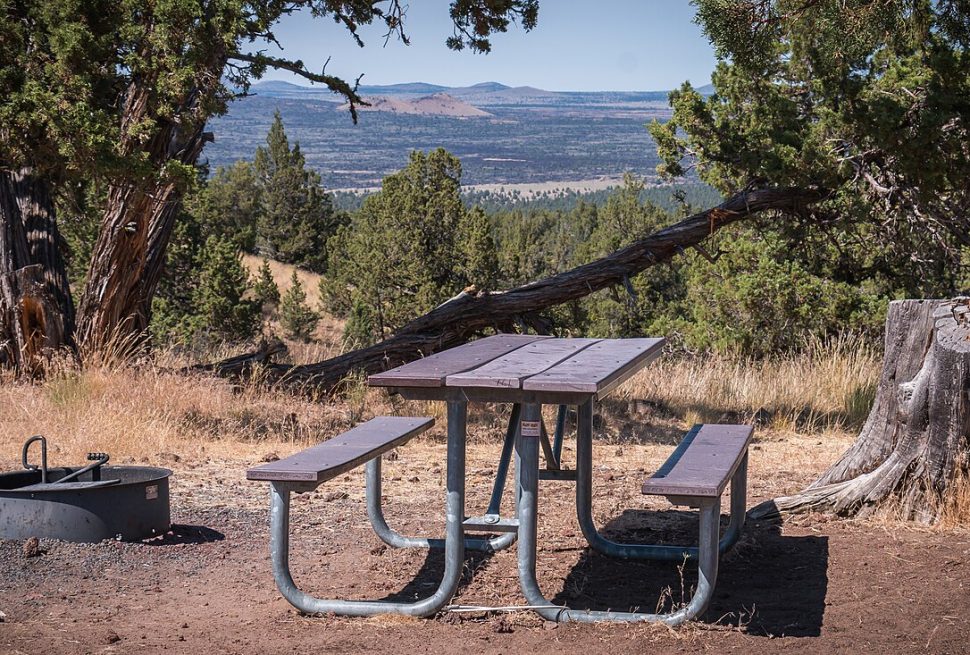
Many established campgrounds in bear country provide steel food boxes at sites or in shared locations. These are provided by the park or forest, so there is nothing to buy or rent. They are the reason a frontcountry trip can cost nothing extra for storage: you clip your food and scented items into the box at night and you are done.
Some backcountry sites have them too. At Bering Land Bridge National Preserve in northwest Alaska, bear lockers are available at Serpentine Hot Springs and at emergency cabin shelters, which matters in a place with no roads or trails and few trees.
Two things to check before you count on a locker. First, size: everything scented has to fit, and parks count more than food. Olympic lists toothpaste, deodorant, sunscreen, hand sanitizer, chapstick and feminine products among the items that must be secured. Second, location: if your campsite, trail or zone has no locker, a canister is usually the required alternative. Our guide to food storage in bear country covers lockers, canisters and camp layout in detail.
Cheaper Alternatives: Rentals, Loans and Borrowed Gear
- Park loans. Olympic’s free canister loans are the best deal going, with the caveat that supply is not guaranteed.
- Cheap rentals. At $5 per week in Yosemite, a rental costs less than a campsite shower for most trips.
- Borrowed spray. Fine if the can is in date and has never been fired. A partly used can is not a favor.
- Rental with instruction. Bear Aware’s Yellowstone rentals include a safety video and hands-on guidance, which is worth something on a first trip.
The value of that training is not theoretical. In August 2018, a grizzly attacked a 10-year-old boy hiking the Divide Trail southeast of Old Faithful. His parents used bear spray they had rented, with its included training, and the park credits their quick actions with keeping the attack from being worse.
Hanging food is the cheapest option of all where it is allowed, since rope and a bag cost little. Be honest about whether it will work for you. A North Cascades example shows a food bag hung 15 feet up and 5 feet from the tree trunk that was still reachable by a bear standing on its hind legs, and many backcountry areas have no appropriate trees at all. Check what your land manager accepts before you rely on a hang.
Sample Budgets for Frontcountry and Backcountry Trips
| Line item | Frontcountry weekend (established campground) | Backcountry overnight (wilderness) |
|---|---|---|
| Bear spray | $28 to $70 to buy, or rent in Yellowstone with training | Same can; buying makes sense if you will camp in bear country again |
| Food storage | $0 where the campground provides bear boxes | $5 per week to rent in Yosemite, free loans at Olympic, or a canister purchase |
| Campsite or permit | Campground fee, set by the park or forest | Wilderness permit, required year-round in parks like Yosemite and Rocky Mountain |
| Total for a first trip | The cost of spray plus your campsite fee | Spray plus a $5 weekly canister rental, more if you buy |
Two notes on the table. If you buy a canister instead of renting, your backcountry total rises by the full purchase price, which varies by size and model. And a frontcountry budget of nearly zero for bear gear assumes the campground has boxes; call ahead, because not every campground in bear country does.
Where the Rules Come From and How to Check Before You Go
National parks set their own rules, and in parks like North Cascades and Olympic, proper food storage is required by law, not just suggested. National forests and BLM land are different: rules vary by forest and field office, so one district may require canisters in grizzly country while a neighboring one does not. When the answer is genuinely “it depends on the forest or park,” the only fix is to check the specific place you are going.
Before you spend anything, work through this list:
- Read the park’s or forest’s food storage page for your exact campground, trail or zone.
- Check your wilderness permit conditions. Rocky Mountain, for example, requires you to bring the canister to the Wilderness Office to collect your permit.
- Confirm rental or loan availability and hours, especially where reservations are not taken.
- Look for the IGBC-approved container list before buying, so your canister counts where you plan to use it.
- Call the ranger station or district office if anything is unclear. A five-minute call can save you a return trip to a trailhead.
- A First-Timer’s Guide to Planning a Backpacking Trip: how to build a first overnight trip, permits and gear included, without overspending.
- The Real Cost of a Starter Camping Kit: the broader budget picture for new campers, of which bear gear is one part.
- Yellowstone or Grand Teton for a Camping Trip?: comparing two classic bear country destinations, where spray rentals and food storage rules come into play.
Camp notes
- Bear spray commonly costs about $28 to $70 per canister to buy; in Yellowstone, Bear Aware rents it with training and refunds deposits on unsprayed returns.
- Yosemite rents bear canisters for $5 per week at wilderness permit stations, and Olympic loans them free from Wilderness Information Centers, no reservations.
- Canisters are required throughout the Yosemite and Olympic wilderness, in Rocky Mountain from April 1 through October 31, and at listed North Cascades camps.
- Campground bear boxes are provided by the park, so a frontcountry trip may need no storage gear beyond what is already there.
- Bear spray cannot fly on commercial planes or cross the Canadian border by car, so plan to buy or rent it at your destination.
Questions campers ask
Do I need bear spray if I am car camping in a developed campground?
Requirements vary by park. Campgrounds with bear boxes handle food storage, but many agencies encourage carrying spray in bear country, and rental programs in places like Yellowstone make it easy to try one on a first trip.
Is renting a bear canister cheaper than buying one?
For a single trip, almost always. Yosemite charges $5 per week and Olympic loans canisters free. Buying starts to pay off once you take several canister-required trips in a year.
Can I just hang my food instead of buying a canister?
It depends on the land manager. Some areas allow hangs where trees permit, but hangs often fail even when done carefully, and many parks require approved canisters instead.
How long does bear spray last?
Most cans carry a printed expiration date, and a can that has been fired should be replaced even if it looks full. Check the date before each season.
Rules, fire restrictions and closures differ by park, forest and district and can change quickly. Check with the land manager before your trip. This guide is general information, not professional safety advice.