Both parks work for a first campout, but they feel nothing alike. Here is how campgrounds, reservations, shuttles and nighttime temperatures compare.
Zion and Bryce Canyon sit close together in southern Utah, and plenty of trips touch both. But they make very different first camps. Zion puts you in a hot desert canyon beside the Virgin River, where most sightseeing happens by shuttle. Bryce Canyon sets you up at around 8,000 feet, with its best trails a short walk from your tent. Here is how the two compare for a first national park campout.
The quick comparison: elevation, season and crowd feel
Zion is the lower, hotter and busier park. Its two main campgrounds sit by the South Entrance in a desert setting where summer daytime temperatures often exceed 95°F, and shade trees are scarce. From mid-March through late November, the campgrounds are full almost every night. Bryce Canyon sits at about 8,000 feet, so days stay milder and nights stay cool even in summer.
| Zion | Bryce Canyon | |
|---|---|---|
| Setting and elevation | Desert canyon by the South Entrance, few trees, summer days often over 95°F | About 8,000 feet on a high plateau, cool nights even in summer |
| Campgrounds in the park | Three: Watchman, South and Lava Point | Two: North and Sunset |
| Booking window | Watchman 6 months ahead; South and Lava Point 14 days ahead | North up to 6 months ahead; Sunset up to 14 days ahead |
| Year-round camping | Watchman | North |
| Shuttle | Zion Canyon and most trails shuttle-only roughly March through November | Free shuttle in the amphitheater area April through mid-October |
| Good first-trip fit | Campers who want canyon hiking and can handle heat | Families who want cool nights and trailheads near camp |
Neither park wins outright, and the right pick depends on your crew. Zion suits first-timers who want classic canyon hiking and can handle heat. Bryce Canyon suits families who want cooler sleeping weather, easy in-park driving and trailheads near the tent.
Campgrounds and reservations in each park
Zion requires reservations at all three campgrounds, and the booking windows differ enough to plan around. Watchman Campground, next to the South Entrance and a short walk from the visitor center, the shuttle and the town of Springdale, is open year-round and takes reservations up to six months ahead. South Campground sits close by and runs from early March to the end of October, but you can only reserve it 14 days before arrival. Lava Point Campground sits on the Kolob Terrace Road about an hour from Zion Canyon, closes seasonally and books on the same 14-day window.
At Watchman you get toilets, drinking water and picnic tables. Tent-only and non-electric loops do not allow vehicles 19 feet or longer, group sites take 7 to 40 people, and electric sites offer 30 amp power with a handful of 50 amp sites. One detail surprises people: the primary occupant on the reservation must show a photo ID at check-in, and that name cannot be changed after booking.
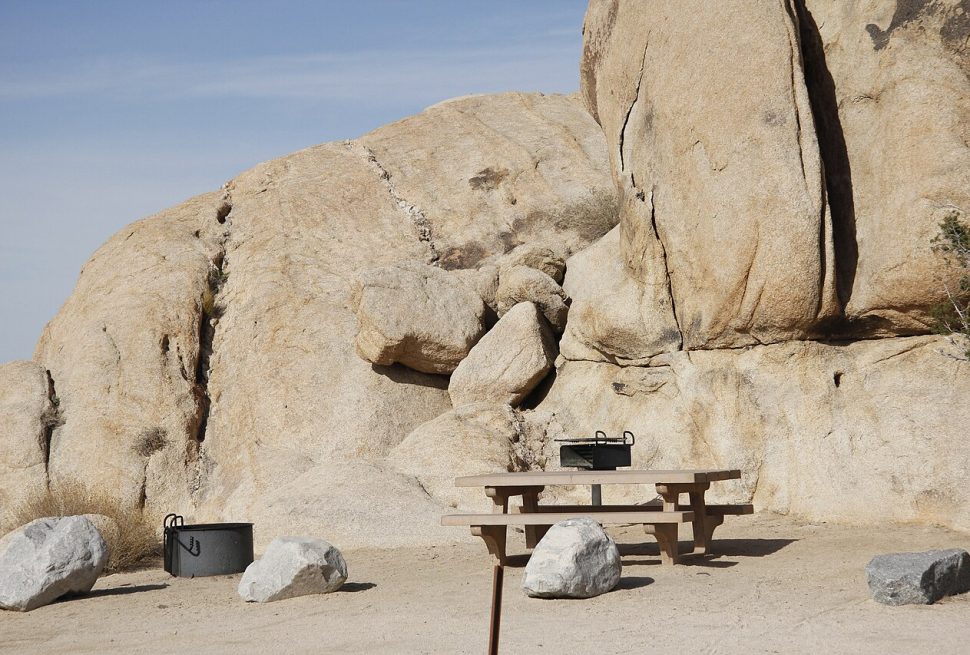
Bryce Canyon’s North Campground is open year-round and takes reservations up to six months ahead on Recreation.gov. Sunset Campground closes in winter and takes reservations up to 14 days ahead during its season. Sunset sits 1.5 miles from the visitor center and is the closest campground in the park to many popular trails, which begin and end at Sunset Point. Expect flush toilets, drinking water, picnic tables and fire rings with grills, plus summer laundry and showers at the nearby general store. Neither campground has hookups, and a dump station near Sunset is free for registered campers from mid-May through mid-October.
If anyone holds an America the Beautiful Senior or Access pass, Bryce Canyon takes 50 percent off camping fees for those passholders; annual and other interagency passes do not qualify.
Our guide to how campsite reservations work covers the Recreation.gov process, and what to check before you book a park campground helps you compare loops and sites before you pay.
Camp tip
Set reminders for both windows: six months out for Watchman and North, exactly 14 days out for South and Sunset. Zion’s campgrounds fill almost every night from mid-March through late November, so those 14-day openings go fast.
Shuttles, driving and getting to your campground
In Zion, the canyon and most of the park’s trails are reachable only by shuttle bus from approximately March through November. That works in your favor at Watchman and South, since both are a short walk from the shuttle and the visitor center. Lava Point sits about an hour from Zion Canyon by road, so it works best for campers with their own vehicle who want a quieter base.
Bryce Canyon’s shuttle covers the Bryce Amphitheater area, the first three miles of the park road, from April through mid-October. It is free with park admission, buses typically arrive every 15 minutes, and a stop sits at the entrance to Sunset Campground. The easiest spots to leave your car and climb aboard are the Shuttle Station in Bryce Canyon City or the lot at the visitor center. Pets are not allowed on the shuttle.
Longer rigs face limits. While Bryce’s shuttle is running, usually from mid-April into mid-October, vehicles measuring 23 feet or more cannot park at the amphitheater-area facilities and viewpoints along the first three miles of the main road. Those limits apply only while buses operate, which generally means 8 in the morning until 8 at night, with service ending at 6 p.m. in April and October. There are no such restrictions along the Southern Scenic Drive, miles 4 through 18. At Zion, Watchman’s tent-only and non-electric loops bar vehicles 19 feet and over.
Weather and elevation: why the nights feel so different
The elevation gap is the biggest packing decision. Most Zion campsites sit in partial to full sun with little shade, and summer heat is serious, though you can cool off in the Virgin River next to Watchman and South. Bryce Canyon’s campground sits at about 8,000 feet, and campers report cold wind and even snow on the ground there in early May. Pack warm layers and a sleeping setup rated for cold nights at Bryce in any month; our guide to camping in cold weather covers staying warm and avoiding carbon monoxide risks.
Bugs are part of the Zion equation. April and May bring tent caterpillars that drop from trees onto tents and tables, July and August bring ants, and August and September bring yellowjackets. Spraying insecticide at your site is not permitted.
Day hikes from camp: what fits a first trip
Both parks let you hike straight from camp, which helps a lot with kids. From Zion’s South Campground, three trails leave directly from the facility: the moderate Watchman Trail, the short Archeology Trail and the paved Pa’rus Trail, which runs along the river and is the only trail in the park that allows dogs. For hikes deeper in Zion Canyon, you ride the shuttle from near camp.
Bryce Canyon is simpler. Sunset Campground is the closest campground to many popular trails, which begin and end at Sunset Point, and the shuttle stops at the entrance too. Trails run from under a mile to about 11 miles, many interconnect, and the park sorts its suggestions into hikes of 1 to 3 hours and hikes of 4 or more hours. On a first trip, families often start with the shorter amphitheater routes and add distance as legs allow.
Save energy for the evening. On a moonless night at Bryce Canyon, about 7,500 stars are visible, the park holds an Annual Astronomy Festival each June, and night sky programs run more than 100 nights a year.
Rules to know: pets, food storage and campfires
Pets are the limiting factor at both parks. In Zion, the paved Pa’rus Trail is the only trail that allows dogs. In Bryce Canyon, pets are permitted only on paved surfaces, which means they can walk the Rim Trail from Sunset Point to Sunrise Point and use the paved Shared Use Path between the park entrance and Inspiration Point, but they cannot ride the shuttle. If a dog is coming along, our guide to camping with your dog on public lands covers leash rules and where dogs can actually go.
Food storage rules are posted at each campground, and they protect wildlife as much as your snacks. Keep food, coolers and scented items out of the tent overnight, use the storage your site provides, and check each park’s current rules before you leave. Campfires belong in the provided rings and grills, and fire restrictions vary by park and season, so confirm conditions before you plan dinner around a flame.
Combining both parks in one camping week
With a week, you can camp at both without rushing. Bryce Canyon is about 78 miles from Zion’s east entrance, so the move between parks is an easy morning drive. A common pattern is several nights at Watchman, then a move to North or Sunset for the second half, with amphitheater trails out your tent door. The catch is timing: Watchman and North open six months out while South and Sunset open 14 days out, so you may book the two halves on different days.
Entrance fees are separate at each park, and Zion honors a valid America the Beautiful pass. If your family plans more than a couple of park visits on this trip, work out whether the annual pass pays for itself before the first entrance station.
- Park Passes and Camping Fees: What the America the Beautiful Pass Covers: how the pass works and when it beats paying per park.
- Before Your Child’s First Campout: A Parent’s Checklist: a simple list to run through before a first trip with kids.
- Campfires: Fire Restrictions, Firewood Rules and Putting It Out Cold: what to check before you count on a fire at camp.
Camp notes
- Zion’s campgrounds require reservations and fill almost every night from mid-March through late November; Watchman books six months out, South and Lava Point 14 days out.
- Bryce Canyon sits at about 8,000 feet, so nights stay cool even in summer, while Zion’s desert canyon often tops 95°F on summer days.
- Bryce Canyon’s free shuttle runs April through mid-October with a stop at Sunset Campground; Zion Canyon and most of its trails are shuttle-only from about March through November.
- Dogs are limited at both parks: Zion allows them only on the paved Pa’rus Trail, and Bryce Canyon permits pets only on paved surfaces.
- The parks are about 78 miles apart, so one camping week can cover both if you plan around the different booking windows.
Questions campers ask
Which park is easier for a first national park campout?
Bryce Canyon is simpler: one main road, a shuttle stop at Sunset Campground and popular trails that begin and end at Sunset Point nearby. Zion rewards more planning because of its shuttle system and competitive reservations.
When should I book Zion’s campgrounds?
Watchman takes reservations six months ahead, while South and Lava Point open 14 days before arrival. Zion’s campgrounds are full almost every night from mid-March through late November, so plan for either window.
Can I camp at either park with a dog?
Dogs can camp with you but have very limited trail access. Zion allows dogs only on the paved Pa’rus Trail, and Bryce Canyon permits pets only on paved surfaces, not on the shuttle.
Can I visit both parks in one trip?
Yes. Bryce Canyon is about 78 miles from Zion’s east entrance, so many families camp a few nights at each. Remember that the booking windows differ between campgrounds.
Rules, fire restrictions and closures differ by park, forest and district and can change quickly. Check with the land manager before your trip. This guide is general information, not professional safety advice.