Tent fabric turns into an oven by mid-afternoon. These five no-electricity strategies, from shade and orientation to pitching late, keep hot-weather camping nights livable.
A hot tent can undo a good trip faster than rain. Tent fabric traps the sun’s energy, and by late afternoon the inside can feel like an oven even when the shade outside feels comfortable. None of the fixes below require electricity. They come down to shade, airflow, timing and how you treat your own body.
1. Pick shade and orientation before you pitch
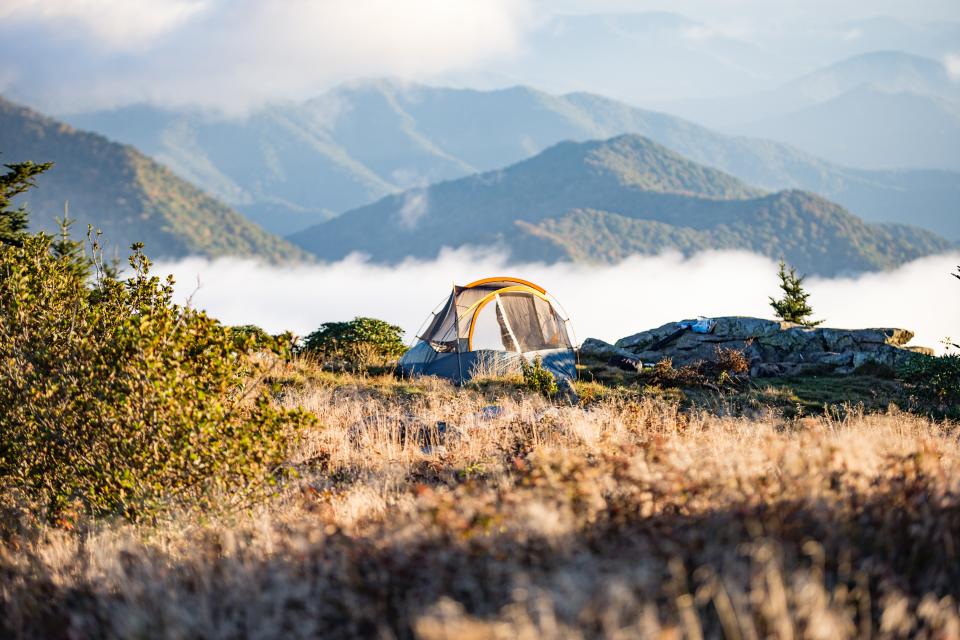
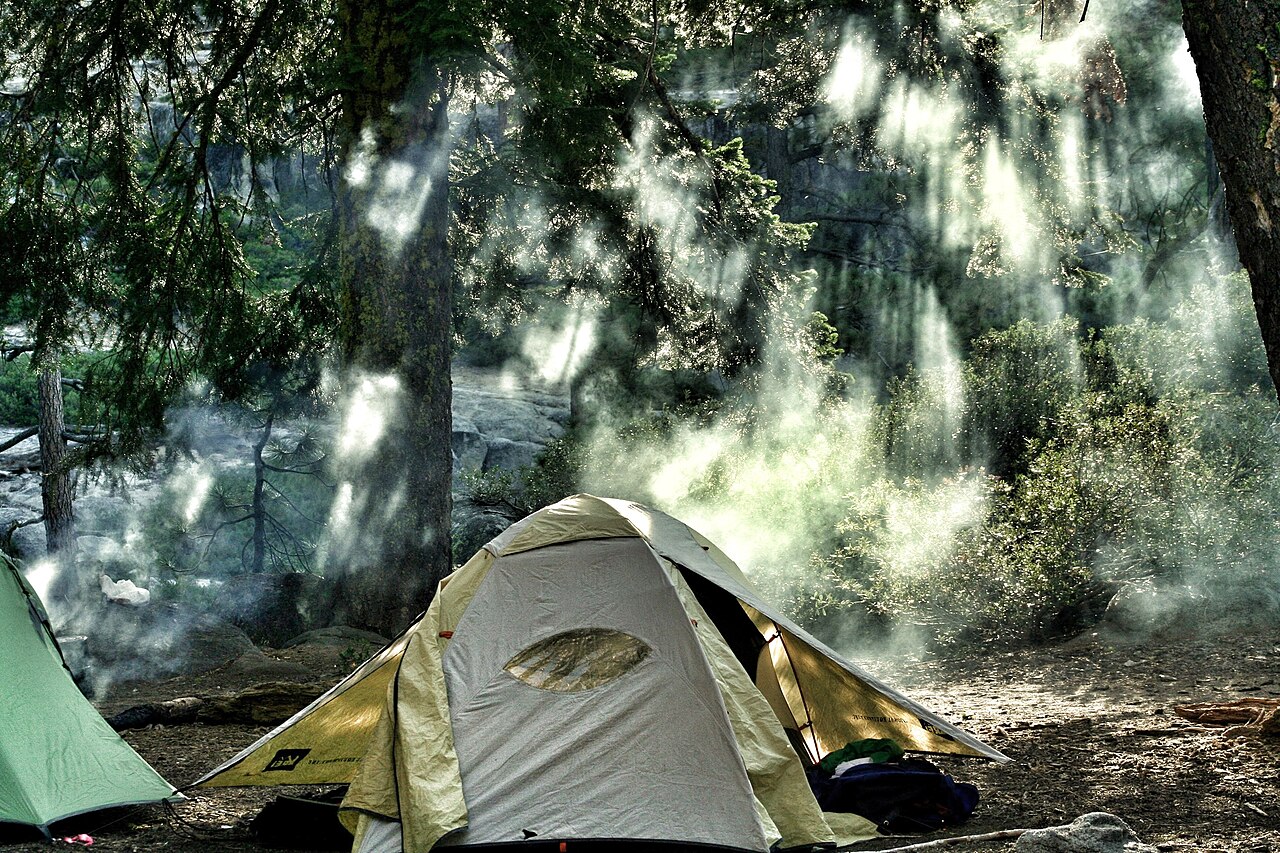
Shade is the biggest single factor in how hot a tent gets. A tent in full sun heats up no matter how well it ventilates, so start at the booking stage and look for sites with mature trees or terrain that blocks afternoon light. Afternoon sun is hotter than morning sun, which means the east side of a tree or ridge stays cooler once the sun moves past noon.
When you arrive, pitch with the door facing the wind. That is the core of National Weather Service camping guidance: make use of the breeze. If you cannot tell which way the wind usually runs, watch the treetops for a few minutes or ask the campground host.
Our guides to how campsite reservations work and choosing and setting up a campsite cover the rest of the checklist, from ground conditions to hazards.
2. Get air moving through the tent
Still air is what makes a tent feel stuffy, not temperature alone. Open every vent, mesh panel and door you can, even when the forecast looks dry. Aim for cross-flow: air should enter on one side and leave on the other, so unzip opposite windows rather than a single one.
If the night looks dry, roll the rainfly back or leave it off so the mesh ceiling does the ventilating. Check the sky before bed first, because a surprise storm with a stowed rainfly is a worse problem than a warm night.
3. Block the sun with a layer above the tent
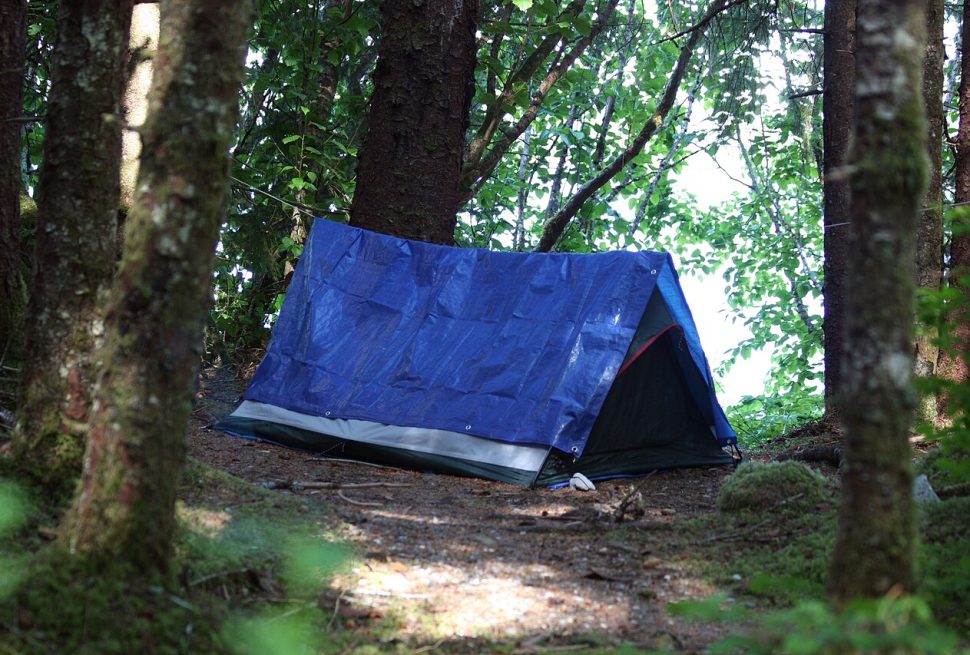
Hang a tarp or reflective sun shade so it sits about a foot above the tent roof. That gap lets air circulate between the cover and the tent instead of trapping heat against the canopy.
Color matters too. Dark colors absorb heat from the sun, so light or reflective fabrics do a better job of bouncing it away. A second shade stretched nearby creates a shaded spot to sit and cook, which keeps you out of the tent during the hottest hours.
4. Time it: pitch late, break early
The most effective trick costs nothing. Weather Service guidance for hot-weather camping says to take your tent down when you get up in the morning, then set it back up only after the sun has gone down. A tent left standing all day soaks up heat that it releases slowly after dark, and constant sun exposure is hard on the fabric anyway.
Breaking camp early has a second benefit in mountain country, where thunderstorms with lightning occur most often in late afternoon and evening during summer. Our guide to thunderstorms at camp covers what to do when a storm builds while you are packing.
Check the forecast on weather.gov before you go, and stop at the visitor center for heat alerts and expected high temperatures. If extreme heat is in the forecast, plan setup and hikes for the cooler parts of the day.
5. Cool your body, not just the tent
A tent can only do so much, so work on the person inside it.
- Drape a damp bandana or cloth across the back of your neck.
- Drink more water than usual, and don’t wait until you’re thirsty.
- Eat light. Fruit and salads are easy to digest, and meats and dairy spoil quickly in hot weather, so pack them in a cooler with an ice pack.
- Take a cool shower or bath if the campground has one.
- Wear light colors, since dark colors absorb heat, and apply sunscreen of SPF 15 or higher 30 minutes before going out. Sunburn slows the skin’s ability to release excess heat.
Know the warning signs of heat illness. More than 700 people die from extreme heat in the United States every year.
| Heat exhaustion | Heat stroke |
|---|---|
| Heavy sweating, weakness, cold pale clammy skin | High body temperature, hot dry skin, strong rapid pulse |
For heat exhaustion, drink water and cool off by splashing or soaking yourself with water while fanning vigorously. Heat stroke is an emergency that needs medical attention right away.
6. What not to do in a hot tent
Heads up
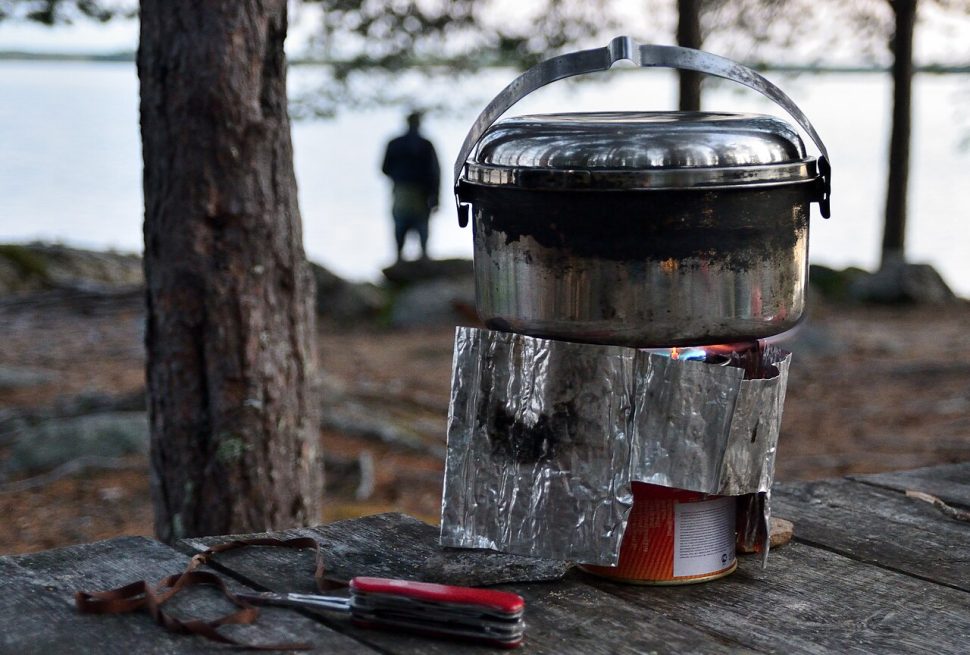
Never use a charcoal grill, hibachi, lantern or portable camping stove inside a tent, whatever the temperature outside. Fuel-burning gear can build up carbon monoxide in an enclosed space and poison the people and animals inside.
A few habits to drop as well:
- Don’t leave the tent zipped shut all day. Closed fabric turns it into a heat box for anything left inside, dogs included.
- Don’t assume campfires are fine. Many parks put fire restrictions in place during hot, dry weather, so check before you light anything. If fires are allowed, drown, stir, feel and repeat until the area is cold to the touch.
- Don’t push through hard activity in peak heat. If exertion makes your heart pound or leaves you gasping, stop and rest in the shade.
Our guide to campfire rules and safety covers restrictions and putting a fire out cold.
- Camping in Cold Weather: Staying Warm and Avoiding Carbon Monoxide: the opposite problem, with the same carbon monoxide rules for any fuel-burning gear.
- Making Stream and Lake Water Safe to Drink at Camp: hot weather means drinking more, and you need a reliable way to treat refills.
- Camping With Your Dog on Public Lands: where dogs can go, leash rules and keeping them cool and safe at camp.
Camp notes
- Shade matters most: pitch on the east side of trees or terrain so the tent is protected from the hotter afternoon sun.
- Face your tent door into the wind, open all vents and windows, and hang a light-colored cover about a foot above the tent.
- Take the tent down each morning and pitch it again after sundown so it never sits in the sun soaking up heat all day.
- Cool the camper, not just the tent: water, wet neck towels, light meals and sunscreen of SPF 15 or higher all help.
- Never use grills, lanterns or camp stoves inside a tent, and never leave children or pets in a parked car.
Questions campers ask
Does a reflective sun shade really help?
Yes. Blocking direct sun keeps the tent fabric itself from heating, and hanging the cover about a foot above the roof lets air circulate between the two. Light colors work better than dark ones, which absorb heat.
Should I leave my tent up all day?
No, if you can help it. Federal heat safety guidance for campers recommends packing the tent up in the morning and waiting until sundown to pitch it again.
What are the signs of heat exhaustion at camp?
Heavy sweating, weakness and cold, pale, clammy skin. Drink water and cool off by splashing or soaking with water while fanning. Hot dry skin and a strong rapid pulse suggest heat stroke, which needs emergency care.
Can I bring a camp stove or lantern inside the tent?
No. Charcoal grills, hibachis, lanterns and portable camping stoves should never be used inside a tent or camper, because carbon monoxide can build up in the enclosed space.
Rules, fire restrictions and closures differ by park, forest and district and can change quickly. Check with the land manager before your trip. This guide is general information, not professional safety advice.