A line-by-line look at what a first car-camping kit really costs, from tent to stove to cooler, with the budget move and the worthwhile upgrade for each item.
A starter camping kit can cost almost nothing, or it can climb fast with every comfort you add, and the difference usually comes down to how much you already own. Blankets from the couch, a pot from the kitchen and gallon jugs of water all work fine. Here is what each category costs you, the budget move, and what spending more actually buys.
The non-negotiables: shelter and sleep
Three items decide whether you enjoy the trip: a tent, a sleeping pad and a sleeping bag or blankets. Everything else can be improvised, borrowed or skipped.
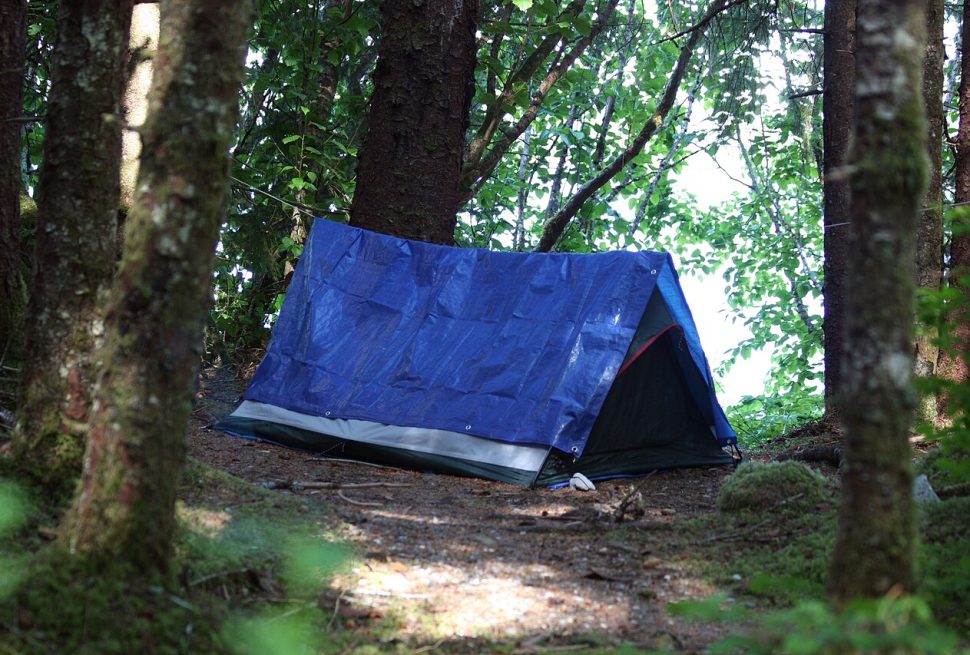
Dome tents are popular because they offer the most interior space with the least material, which keeps packed size and price down. One warning before you buy: a two person tent means room for two people to sleep, not two people plus gear plus a dog. More tent than you need costs more and adds bulk for nothing.
The sleeping pad matters more than most beginners expect. Its main job is not cushioning. It keeps moisture from accumulating beneath your body, which otherwise robs you of heat and leaves you cold in the middle of the night. Foam pads are the cheapest option, though they are bulky and not very cushioned. Air mattresses are more comfortable but usually need a pump. Hybrid foam and air pads split the difference. If you camp in cold conditions, our guide to camping in cold weather explains how to stay warm and why fuel-burning heaters never belong inside a tent.
The camp kitchen: stove, fuel and cookware
The core list is short: a stove, a pot, dishes and a lighter. Beyond that, one plastic storage tub holding the cookset, stove, fuel, paper towels, ground coffee and a dry box with the lighter and a deck of cards turns every departure into a grab-and-go routine instead of a packing scramble.
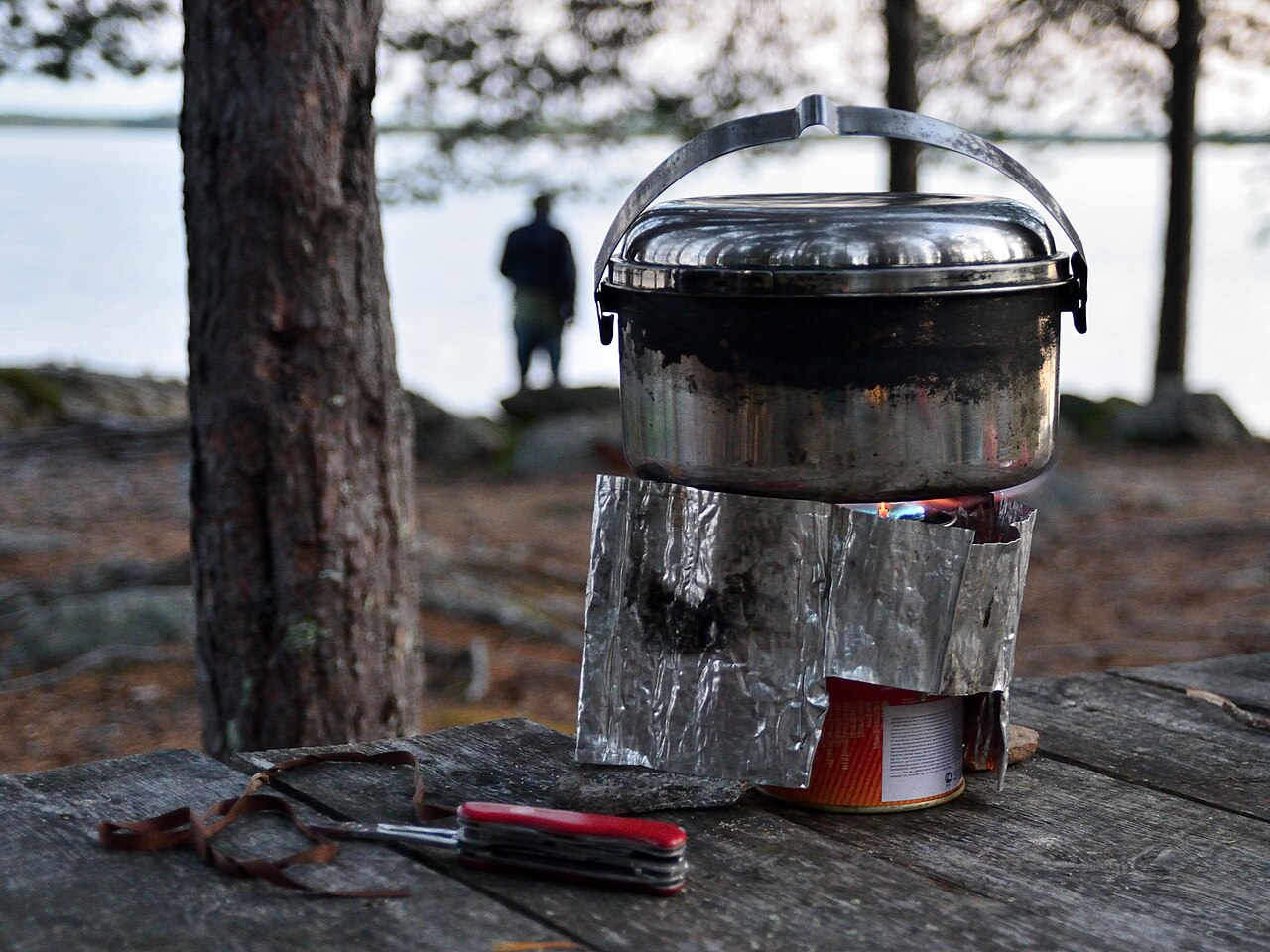
Stove prices rise with burner count. A small single-burner canister stove boils water for two without trouble. A larger two-burner propane stove costs more, but it runs two pans at once and takes bigger cookware, which makes real meals easier. Fuel is a small recurring cost that never quite ends.
A campfire can replace the stove where fires are allowed, but the rules change by forest, by park and often by week, so check fire restrictions before every trip and carry ample water to put the fire out with. Some parks restrict firewood, too: only heat-treated, certified firewood may be brought into Great Smoky Mountains National Park, though campers there can also collect dead and down wood. Buying or gathering wood near where you camp helps prevent the spread of insects and disease. Our guide to campfire rules and safety covers restrictions, firewood and putting a fire out cold.
Cooler, food and water
Coolers span the widest price range on this list. A basic model costs little and keeps food cold for a night or two. Premium roto-molded coolers, built with thick walls and heavy shells, hold ice far longer but can run to several hundred dollars, a figure one car camping writer holds up as exactly what you do not need to spend. What matters is a cooler that stays cold through your longest stretch between town runs, because replacing a load of spoiled food is the real cost.
Two cheap tricks stretch any cooler. Freeze a few gallons of water in plastic containers before you leave; they keep everything cold, then melt into drinking and cooking water as the trip goes on. Keep all food contained rather than loose in the car, both for organization and because clean, contained food is what keeps animals out of camp. In bear country, many campgrounds provide food storage lockers, and policies vary by park, so check before you go.
For water, two gallon jugs refilled at a gas station cover a weekend of drinking and dishwater for most people. If you plan to draw from streams or lakes, you need a way to treat that water first; our guide to making stream and lake water safe to drink covers the options.
Light, small stuff and first aid
A headlamp or lantern is a modest cost and a real necessity, since camp chores do not stop at sunset. Around it, small stuff adds up quietly: batteries, matches, a basic first aid kit, trash bags, toilet paper. A dry box with a lighter and a deck of cards in the kitchen tub covers the evening for free.
Clothes and footwear you already own
This is the category where the budget answer is zero dollars. Layers you wear in fall work at camp, old sneakers handle most drive-in campgrounds, and a pillowcase stuffed with spare clothes replaces a pillow. A stack of two or three blankets from home stands in for a sleeping bag. If kids are along, consider pulling the child’s car seat out of the car at camp, since food spills and smells ground into them can draw animals.
Rain gear is the one thing worth checking. A cheap poncho beats getting soaked, and an optional pop-up shelter or dining fly keeps the cook area dry, though it is a nice-to-have rather than a need-to-have.
Where spending more pays off
If you upgrade only two things, make them the cooler and the sleep system. Food safety and a full night of sleep decide whether the next trip happens. Everything else has a serviceable budget version.
| Item | The budget move | What spending more buys |
|---|---|---|
| Tent | A simple dome tent sized to your group | Easier setup and better weather protection |
| Sleeping pad | A basic foam pad | Cushioning and warmth on cold ground |
| Sleeping bag | Blankets you already own | A bag rated for the actual temperatures |
| Stove | A single-burner canister stove | Two burners and bigger pans |
| Cooler | A basic hard-sided cooler | Insulation that holds ice through long, hot trips |
| Light | One headlamp per person | A lantern for the picnic table |
Everything on the budget side works. The spend-more column buys comfort and convenience, not capability, with one exception: better cooler insulation genuinely protects your food.
Camp tip
Sleep on your budget pad and blankets at home first, even one night in the backyard. It is better to learn a pad is not enough before you are two hours from a mattress.
The costs that are not gear
Gear is a one-time spend. Trip costs repeat, and they are smaller but real. Developed campgrounds charge per site, per night, with fees that vary by location and can change. Some sites are reserved in advance through Recreation.gov, and others run first come, first served. One car camping writer reports paying around 20 dollars a night on private booking platforms.
Dispersed camping, meaning camping outside a developed campground on national forest land, is free on many forests. The trade is few or no facilities: no tables, fire rings, restrooms or trash removal. You also need to know the rules, which include stay limits of 14 days in any 30-day period on some forests, and distance requirements from water, roads and developed areas that vary by forest.
Permits cost little for a first backpacking trip. Isle Royale charges nothing for overnight permits for parties of six or fewer, and 25 dollars per permit for groups of seven or more, which need advance reservations. Great Smoky Mountains charges 8 dollars per person per night for backcountry camping, and starting April 30, 2026 those permits will be issued through Recreation.gov, with the previous 40 dollar cap on total permit cost removed. Entrance fees, where they apply, are separate from camping fees.
- How campsite reservations work: the booking system most federal campgrounds use, and what to expect when you reserve.
- Food storage in bear country: lockers, canisters and camp layout for the places that require more than a closed cooler.
- Choosing and setting up a campsite: ground, water, wind and hazards, worth reading before you buy a tent for specific conditions.
Camp notes
- Three items decide the trip: a tent, a sleeping pad and a sleeping bag or blankets, and the pad matters more than beginners expect because it blocks ground moisture that steals body heat.
- The cheapest kit borrows from home: couch blankets for a sleeping bag, a pillowcase stuffed with spare clothes for a pillow, kitchen pots for the stove.
- If you spend more anywhere, spend it on the cooler and the sleep system, because spoiled food and cold nights are what end camping trips.
- Dispersed camping is free on many national forests, but stay limits, distance rules and fire restrictions vary by forest, so check before you go.
Questions campers ask
Do I need to buy a two-burner stove?
Not for a first trip. A single-burner canister stove handles boiling water and simple meals for two, while a two-burner propane stove makes bigger, more complex meals easier at a higher upfront cost and a steady fuel bill.
Is a premium roto-molded cooler worth it?
Only if you camp in heat for long stretches between town runs. A basic cooler works for a night or two, and freezing water jugs before you leave adds ice time and drinking water for free.
How much does the campsite itself cost?
Developed campgrounds charge per site, per night, and fees vary by location. Dispersed camping is free on many national forests, though stay limits and distance requirements apply.
Can I start camping without buying anything big?
Tents can often be rented or borrowed, and blankets, kitchen pots and regular clothes cover most of the rest. That is a good way to learn what you actually need before spending.
Rules, fire restrictions and closures differ by park, forest and district and can change quickly. Check with the land manager before your trip. This guide is general information, not professional safety advice.