Both parks deliver, but they suit different trips. Here is how campgrounds, booking windows, stay limits and driving times stack up, so you can pick the one that fits.
Yellowstone and Grand Teton sit side by side in northwestern Wyoming, and plenty of trips end up touching both. But if you only have the time, or the reservations, for one, the differences matter: campground supply, booking rules, stay limits and how much of your day goes to driving. Here is how the two compare for campers.
The short answer for different kinds of trips
If this is your first national park trip, you have four or more days, you are traveling with kids, or you want to see the famous sights without long hikes, Yellowstone fits better. It has the thermal features, sweeping wildlife valleys and the most road access in the region. If you are short on time, you came to hike or photograph mountains, or you have already seen Yellowstone, Grand Teton fits better. It is smaller, quieter and puts the trailheads close to camp.
| Yellowstone | Grand Teton | |
|---|---|---|
| Campgrounds and sites | 11 campgrounds, over 2,000 sites | 7 campgrounds, about 1,000 sites |
| How sites are claimed | All reserved in advance except Mammoth, first-come from Oct 15 to April 1 | All reserved in advance, no overflow or doubling up |
| Booking window | Rolling, exactly 6 months ahead | Up to 6 months ahead on Recreation.gov |
| Stay limits | 14 nights July 1 to Labor Day, 30 other dates, 44 per summer season | 7 days at Jenny Lake, 14 days elsewhere, 30 days per year in the park |
| Size and roads | About 3,500 square miles, 300+ miles of paved road | 484 square miles, about 152 miles of paved road |
Campgrounds and reservations: what each park offers
Yellowstone’s 11 campgrounds hold more than 2,000 established sites, and reservations open on a rolling basis, meaning you can book exactly six months before your arrival date. The park warns that most sites are reserved far in advance, so book as early as you can. Fishing Bridge RV Park is the only campground with water, sewer and electrical hookups, and it is limited to hard-sided vehicles, so no tents or tent-trailers. Group sites at Bridge Bay, Grant Village and Madison run $165 to $475 per night depending on group size.
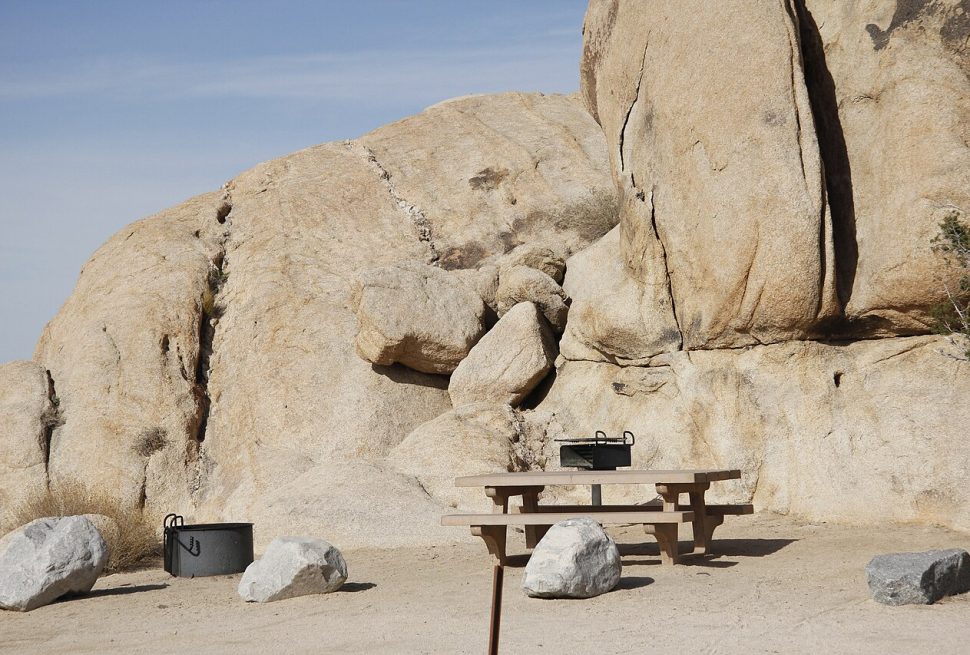
Grand Teton has seven campgrounds with roughly 1,000 sites, all reservation only through Recreation.gov, bookable up to six months out. Most sites come with comfort stations, potable water, metal fire grates, picnic tables and metal bear boxes. Two things catch people off guard: no camping along roadsides or at overlooks, and no doubling up in sites or using overflow areas, because there are none. If the park is full, the park itself points you toward the John D. Rockefeller Memorial Parkway, national forest land, Yellowstone or private campgrounds near Jackson.
Our guide to how campsite reservations work covers the Recreation.gov process, and our pre-booking checklist for park campgrounds helps you compare sites before you pay.
Camp tip
Set a calendar reminder for six months before your first night. That is the booking window for both parks, and summer weekends in particular are spoken for quickly.
Season and opening dates: when campgrounds actually open
Yellowstone’s operated campgrounds run seasonally from spring to fall, with dates varying by location, and none are open in winter. Mammoth Campground is the exception worth knowing: it offers first-come, first-served sites from October 15 through April 1. Some campgrounds remain closed for flood recovery work following the 2022 floods, so check current status on the park’s site before you build a plan around a specific campground.
Grand Teton’s campground pages list opening dates, which vary by campground. The park’s only free, first-come campsites sit outside the main campgrounds, on Grassy Lake Road in the Rockefeller Parkway: 14 designated sites in eight areas, open once the road opens in mid-June. They are primitive, with no water, but they do have shared toilets, bear boxes and trash facilities.
Do not count on shoulder season to save you. Campers arriving in May have found campgrounds full despite snow on the ground, and weather in a single afternoon can swing from sunshine to rain, wind and hail. If you do land a cold or wet stretch, our guide to camping in cold weather covers staying warm safely.
Wildlife and food storage at your site
Both parks are serious bear country, and both expect you to store food properly. Grand Teton’s campgrounds include metal bear boxes at most sites, and even the free Parkway sites require proper food storage to protect wildlife. Yellowstone’s campgrounds sit in habitat with roughly 5,000 bison plus bears, so the same rules apply. Never keep food, coolers or scented items in your tent overnight. Our guide to food storage in bear country walks through lockers, camp layout and what counts as an attractant.
Crowds, size and driving times
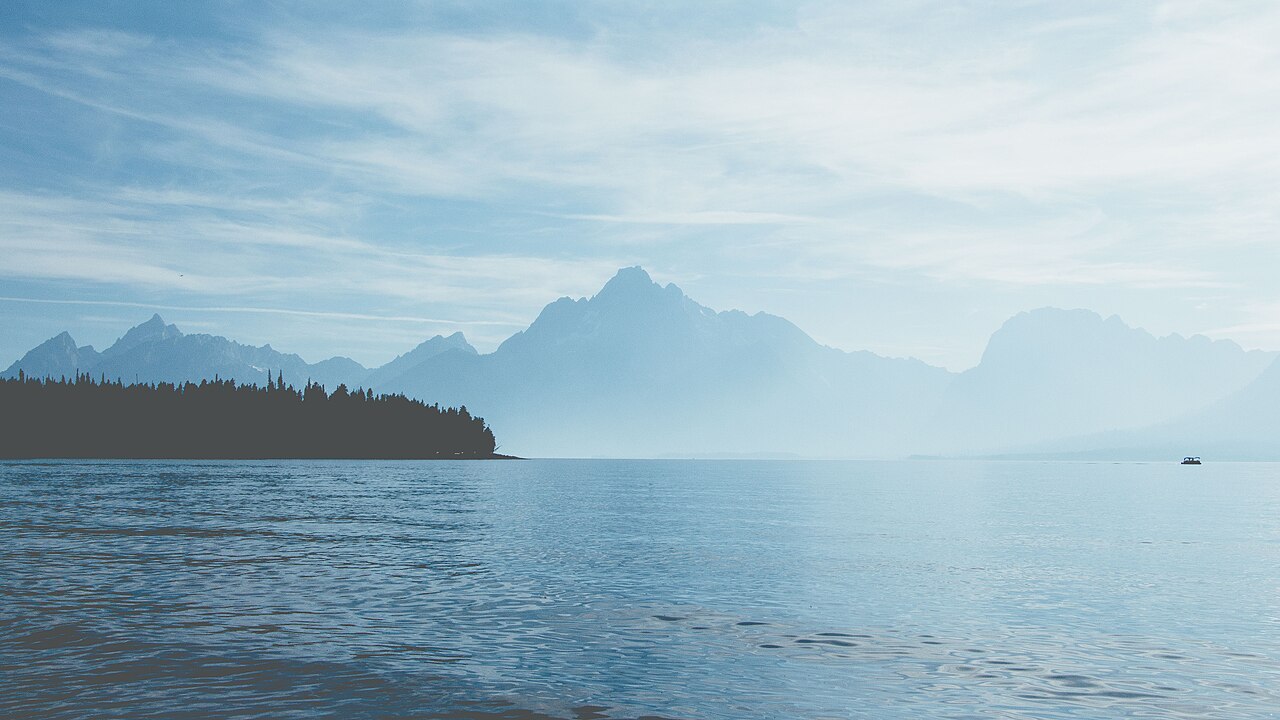
This is the biggest practical difference. Yellowstone covers nearly 3,500 square miles, has five entrance stations (several closed to regular vehicles in winter) and takes many hours to drive between entrances. Grand Teton is 484 square miles with a 42-mile scenic loop; you can drive end to end in under an hour. Less time in the car means more time at your site or on a trail.
Getting there differs too. Grand Teton is roughly 300 miles and 5 to 6 hours from Salt Lake City and about 550 miles and 8 to 10 hours from Denver, and it is the only national park with a commercial airport inside its borders, Jackson Hole Airport.
Can you do both in one trip?
Often, yes. The parks sit about an hour apart and share a border, and if you can spare a week you can camp in both without repacking everything. Between them, the Rockefeller Parkway’s Grassy Lake Road sites make a cheap, primitive overnight stop once they open in mid-June. If this trip is part of a bigger park year, our guide to park passes and camping fees explains when a pass starts paying for itself.
- How Campsite Reservations Work on Recreation.gov: both parks book through Recreation.gov, so know the system before your window opens.
- Food Storage in Bear Country: locker rules and camp setup for camping around bears and bison.
- First-Come, First-Served Campsites: how to approach Mammoth’s winter sites and Grassy Lake Road’s free spots.
Camp notes
- Yellowstone has 11 campgrounds with over 2,000 sites; Grand Teton has seven campgrounds with about 1,000 sites.
- All Grand Teton campgrounds are reservation only, bookable up to six months ahead on Recreation.gov.
- Yellowstone’s campgrounds run spring to fall; Mammoth is the only first-come, first-served option, from October 15 to April 1.
- Yellowstone covers about 3,500 square miles and driving between sights takes hours; Grand Teton’s 42-mile loop takes under an hour.
- Both parks are bear country, and metal food storage boxes come standard at Grand Teton’s campgrounds.
Questions campers ask
Which park is easier to book a campsite in?
Neither is easy in summer. Both fill far in advance, and Grand Teton allows no doubling up or overflow camping. Book on Recreation.gov the moment your date opens, six months out.
Can I camp in Yellowstone in winter?
Not in the operated campgrounds, which close seasonally. Mammoth Campground offers first-come, first-served sites from October 15 through April 1, so that is the one winter option.
Is one trip enough to see both parks?
A week lets you camp in both, since the parks sit about an hour apart. With less time, pick the park that matches your style: hiking and short drives in Grand Teton, thermal features and wildlife in Yellowstone.
Rules, fire restrictions and closures differ by park, forest and district and can change quickly. Check with the land manager before your trip. This guide is general information, not professional safety advice.