Extreme heat changes how you camp. Work through this checklist before you leave and each morning at camp, and know when to head home early.
Extreme heat has killed more people than any other type of weather phenomenon, according to the National Weather Service, and a heat wave leaves few places to hide at a campground. Camping in one is workable if you plan for it: the right site, the right timing and a group that knows the warning signs. Work through this checklist before you leave home and again on the first morning at camp.
Check the Forecast for Highs, Lows and Heat Risk
Start with the forecast, not the vibe at the trailhead.
- Check the daily high and the overnight low. Warm nights matter as much as hot days. Some Weather Service offices factor the overnight minimum into their heat alerts, because a night that never cools gives your body no chance to recover.
- Look at the NWS HeatRisk map. It is an experimental product from the National Weather Service and the CDC that forecasts the risk of heat-related illness over a 24-hour period, so you can see how the risk shifts from day to day.
- Check for advisories and warnings. The thresholds for a Heat Advisory or an Excessive Heat Warning vary by location, since what counts as dangerous heat in mountain country differs from the desert or the humid East. If an alert is posted for your campground, take it seriously and adjust the plan.
- Look at the heat index, not just the temperature. Humidity makes the same air temperature feel hotter. The National Weather Service publishes heat index charts and a wet bulb globe temperature forecast that rates heat risk for outdoor activities and athletes.
- Know the ceiling for sweat. When air temperatures are above 95°F with high humidity, cooling yourself by sweating barely works, per CDC guidance for travelers. Above that line, shade and timing matter more than willpower.
Pick a Site with Shade, Elevation and Airflow
Where you camp does more for your comfort than anything you pack.
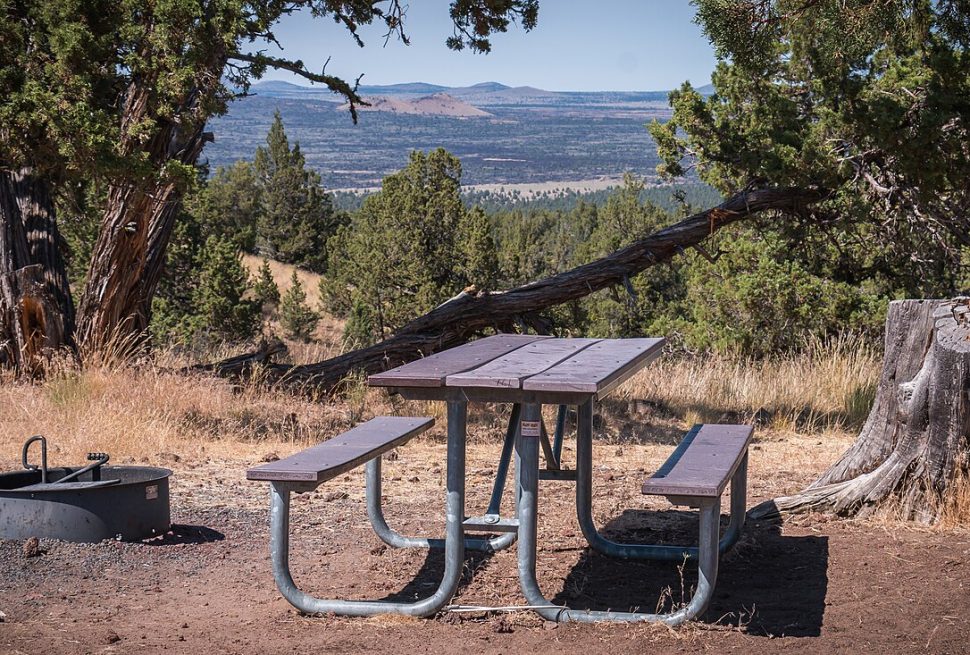
- Choose afternoon shade, not just morning shade. You will spend the hottest hours at camp, so a site shaded from early afternoon onward beats one that is sunny by 2 pm. Our guide to choosing and setting up a campsite covers ground, wind and hazards in detail.
- Favor airflow. Moving air carries heat away from your body, so an open site with a breeze beats a stagnant pocket between close trees or canyon walls.
- Think about elevation. Temperatures generally drop as you climb, and canyon bottoms hold heat. Even a modest climb can change the feel of an evening, though exact numbers vary by terrain.
- Bring shade you can set up. Not every site has good natural shade. A lightweight tarp strung between trees gives you instant sun protection during breaks and midday rest.
- Set the tent for the sun. Pitch where a tree or a rise will shade it in the afternoon, and read our tips for keeping a tent cool in summer heat before you go.
- Check the water. A lake or stream you can legally swim or soak in turns the hottest hour into a non-event. If you plan to drink from it, learn how to make stream and lake water safe to drink first.
Plan Your Day Around the Hottest Hours
Structure the day so the hard work happens when your body can handle it.
- Do the strenuous things early or late. The CDC recommends planning outdoor activities for the cooler parts of the day, and one field guide to hot-weather travel suggests avoiding heavy exertion from about 11 am to 3 pm.
- Take a midday siesta. Shift swimming, reading and lazy chores into the hottest block, and save setup, hiking and packing for morning and evening.
- Acclimatize before the trip. If you will hike or bike in the heat, the CDC suggests adjusting beforehand by exercising one hour per day in the heat. Campers arriving from cool climates are at greater risk than they expect.
- Pace yourself, and stop when your body says so. If activity in the heat leaves your heart hammering and your breathing ragged, stop at once and get to shade, especially if wooziness, confusion, weakness or faintness set in.
- Eat light and keep food cold. Easy-to-digest foods such as fruit and salads sit better in heat. Pack food in a cooler with ice packs, since meat and dairy spoil quickly in hot weather.
- Respect the sun’s peak hours. UV exposure is highest between 10 am and 4 pm, at high elevations and in summer, and clouds do not eliminate it. Sunburn is not just painful; it slows your skin’s ability to cool itself and can leave you dehydrated.
Dress and Pack for Heat at Camp
A short packing list pays off all day.
- Loose, lightweight, light-colored clothing that covers skin. It reflects heat and sunlight while letting air move, which helps maintain normal body temperature.
- A wide-brimmed hat and sunglasses. The hat shields your face and neck; the sunglasses protect your eyes through long outdoor hours.
- Sunscreen, SPF 15 or higher. Apply it about 30 minutes before going out, then reapply after you sweat heavily or get out of the water, following the package directions.
- A wet towel or bandana for your neck. Keeping one on the back of your neck helps you stay cool, and evaporative cooling wraps work on the same principle.
- Cooling aids for breaks. Cooling towels or vests can reduce body heat during long stretches outdoors.
- A tarp you can reposition. Shade you build yourself is often the difference between a restful afternoon and a miserable one.
Get Hydration and Electrolytes Right
Dehydration is the most important predisposing factor for heat illness after the environment itself and exercise intensity.
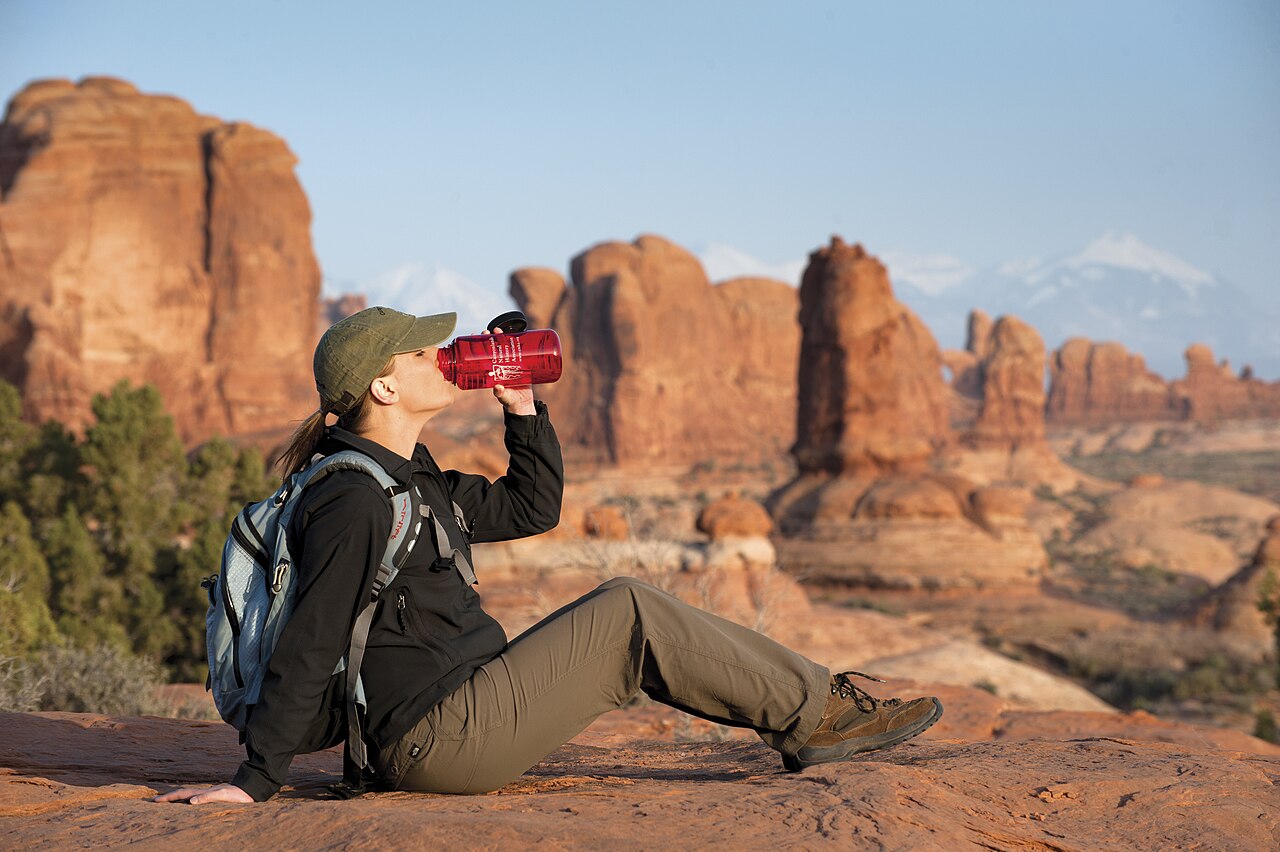
- Drink on a schedule, not by thirst. Thirst can be a symptom of dehydration, so do not wait for it. NIOSH’s rule of thumb is to drink 1 cup of water every 15 to 20 minutes during heat exposure.
- Replace electrolytes, not just water. Sweat carries off electrolytes along with water, and sports drinks with electrolytes are a reasonable swap for some of your plain water on active days.
- Skip the extra alcohol and caffeine. Public health guidance for hot-weather outings says to avoid excessive amounts of both.
- Know your own limits. People with heart, kidney or other chronic conditions, and those on certain medications, may face specific fluid limits, so ask a doctor how much to drink before a hot trip.
- Carry the capacity to resupply. Map where you can refill at camp, and bring enough containers to hold a full day for everyone, plus a reserve.
Know the Warning Signs of Heat Illness
Learn these before you need them, and brief everyone in the group.
| Heat exhaustion | Heat stroke | |
|---|---|---|
| Signs | Heavy sweating, weakness, cool pale clammy skin, fast or weak pulse, muscle cramps, dizziness, nausea or vomiting, headache | Very hot skin, body temperature above 103°F, confusion, fainting, rapid strong pulse, possible loss of consciousness |
| What to do | Get to shade or a cool spot, loosen clothing, apply cool wet cloths, fan, and give sips of water. Stop the water if nausea starts | Call 911 or get to a hospital immediately. Do not give fluids. Move to a cooler spot, remove clothing, sponge or bathe with cool water, use fans |
| Follow-up | Get medical help if the person is vomiting or symptoms last longer than one hour | Delay can be fatal. Without prompt emergency treatment, heat stroke can kill or leave lasting damage |
- Treat heat cramps early. Painful spasms, usually in the legs or abdomen, respond to firm pressure or gentle massage on the cramping muscle and sips of water. Stop the water if nausea starts.
- Watch how fast heat stroke moves. Body temperature can climb to 106°F or higher within 10 to 15 minutes, and even without a thermometer the skin feels burning hot when you touch it.
- Do not wait out serious symptoms. Cramps, a racing pulse, drenching sweat and flushed hot skin all call for fast action, as do dizziness, nausea, confusion or vomiting.
Heads up
Heat stroke is a medical emergency. Call 911 first, and do not give the person anything to drink while you cool them down. Start cooling with shade, loose clothing, cool water on the skin and airflow while help is on the way.
Extra Care for Kids, Older Campers and Dogs
Some members of the group need a closer eye than others.
- Expect faster onset in some campers. Compared with healthy adults, older adults, young children and people with chronic conditions fall ill from heat more easily and get sick faster. Conditions that limit heat tolerance include cardiovascular disease, diabetes and kidney disease, and some medications add risk.
- Do not count on age to protect anyone. Heat can also wear down young, fit campers who log too many hours in it.
- Build in shade and cool breaks for kids. Shorter activity blocks, hat checks, sunscreen reapplication and supervised water breaks keep children ahead of the heat.
- Never leave anyone in a parked car. Temperatures inside a vehicle can rise rapidly within minutes, even when outdoor temperatures seem mild. That applies to children, pets and vulnerable adults, with the windows cracked or not.
- Give dogs the same plan you give yourself. Shade, water and rest in the hottest hours, and never a waiting car. Watch for changes in behavior or breathing, and contact a veterinarian if a dog seems distressed. Before you go, review where dogs can go and the leash rules on the land you will camp on.
When to Change Plans or Head Home Early
Decide your breakpoints before the trip, when nobody is hot and miserable.
- A posted alert changes the plan. If an Excessive Heat Warning is issued for your area, shift to the coolest possible activities, move the trip to higher ground or pick a different weekend.
- Symptoms that do not clear are a signal. If anyone shows heat exhaustion signs that last longer than about an hour, or vomiting starts, the trip is over for that person, and usually the group.
- Hot nights add up. Nights that never cool down keep the risk running, so check the overnight low, not just the daytime high.
- A town stop is a real tool. Spending about two hours a day in air conditioning significantly reduces the risk of heat-related illness, so a mid-trip errand in town is prevention, not a failure.
- Fans are not air conditioning. A fan moves air, which helps sweat evaporate, but it does not cool the air itself. In very hot conditions, shade and water do the heavy lifting.
- Leaving early is the right call. Nothing on the trip plan is worth heat stroke. Pack up, drive home in the evening and try again when the forecast breaks.
- Thunderstorms at Camp: Lightning, Flash Floods and Wind for the other half of a summer heat forecast, since building heat often builds storms.
- Before Your Child’s First Campout: A Parent’s Checklist for the broader family checklist this heat plan plugs into.
- Campfires: Fire Restrictions, Firewood Rules and Putting It Out Cold because heat waves usually arrive with fire restrictions.
Camp notes
- Extreme heat has killed more people than any other type of weather phenomenon, according to the National Weather Service, so plan around the forecast.
- Heat exhaustion calls for shade, loosened clothing, cool wet cloths and sips of water; heat stroke is a 911 emergency and you must not give fluids.
- NIOSH’s rule of thumb is to drink 1 cup of water every 15 to 20 minutes during heat exposure, without waiting until you feel thirsty.
- Older adults, young children and people with chronic conditions get heat illness faster, but even young, healthy campers are at risk.
- Never leave children or pets in a parked car; temperatures inside can rise rapidly within minutes, even when it feels mild outside.
Questions campers ask
How do I tell heat exhaustion from heat stroke?
Heat exhaustion usually involves heavy sweating and cool, pale, clammy skin. Heat stroke brings very hot skin, confusion or fainting and a body temperature above 103°F, and it is a 911 emergency where you should not give fluids.
How much water should I drink while camping in a heat wave?
NIOSH’s rule of thumb is 1 cup every 15 to 20 minutes during heat exposure, and do not wait for thirst, which can itself be a sign of dehydration. Swap in sports drinks with electrolytes on active days, and ask a doctor first if you have a chronic condition.
Can I bring my dog camping in extreme heat?
You can, but build the dog into the plan: shade, water, rest during the hottest hours and never time in a parked car. Check the leash rules for the land you are on, and contact a veterinarian if a dog seems distressed.
What is the NWS HeatRisk forecast?
It is an experimental product from the National Weather Service and the CDC that forecasts the risk of heat-related illness over a 24-hour period. Checking it alongside the regular forecast helps you see how risk will change through your trip.
Rules, fire restrictions and closures differ by park, forest and district and can change quickly. Check with the land manager before your trip. This guide is general information, not professional safety advice.