How to pick a camp stove by fuel type, ignition, wind performance, altitude and cold-weather behavior. Includes where stoves are allowed during fire restrictions.
A camp stove is the difference between hot coffee and cold mornings, between a real meal and another handful of trail mix. The right stove depends on how you cook, where you camp, and what the land allows. This guide walks through fuel types, ignition, wind and weather performance, and the fire restriction rules that affect which stoves you can use on public lands.
Start With How You’ll Cook: Boiling Water vs. Real Meals
The first question is not which stove to buy but what you plan to do with it. If your camp cooking means boiling water for freeze-dried meals and morning coffee, almost any stove will work. Boiling water is the simplest job, and even the lightest canister stoves handle it well.
If you want to actually cook, saute vegetables, simmer chili, or fry eggs, you need a stove with simmer control. Not all stoves offer this. Many ultralight canister stoves are basically on or off, which is fine for boiling water but frustrating for anything else.
Think about how many people you cook for. A single burner works for one or two people. For family camping with four or more, a two-burner stove lets you heat water and cook food at the same time, which matters more than you might think when kids are hungry.
Consider your starter camping kit cost as a whole. A stove is one piece, and the fuel it uses affects your ongoing costs and packing for every trip.
Fuel Types Compared: Canister, Liquid, Alcohol and Wood
Each fuel type has trade-offs that affect performance, convenience, and where you can legally use the stove.
Canister Stoves
Canister stoves use pressurized gas, usually a blend of propane and butane or isobutane, sold in sealed metal canisters. They are the most popular choice for car campers and backpackers for good reason. They light instantly, burn clean with no soot, and require no priming or pumping. The canister screws directly to the stove or connects via a hose.
The downsides are cold performance and waste. Canister pressure can drop as temperatures fall, and empty canisters create metal waste that needs proper disposal. You also cannot see how much fuel remains, which makes trip planning harder.
Liquid Fuel Stoves
Liquid fuel stoves run on white gas, kerosene, or sometimes unleaded gasoline. They use a refillable bottle and require pumping to pressurize the fuel, plus priming with a small amount of fuel to preheat the generator before the stove runs properly.
These stoves are often chosen for cold weather and high-altitude cooking. The refillable fuel bottle lets you see what you have left. They are more complex to operate and maintain, and the flame can yellow and produce soot until the stove is fully primed.
Alcohol Stoves
Alcohol stoves use denatured alcohol and have no moving parts. They are ultralight and popular with thru-hikers, and the fuel is widely available and inexpensive.
The limitations are real. Alcohol produces less heat, so boiling water takes longer, and the stove is sensitive to wind and cold. Check whether the stove has a shut-off valve, because this can affect when it is allowed during fire restrictions.
Wood Stoves
Wood-burning stoves use twigs and sticks gathered at camp, so you carry no fuel weight. They appeal to backpackers who want to skip fuel canisters entirely.
Wood-burning stoves may be subject to the same restrictions as campfires in some areas, so check whether they are allowed before relying on one. They also produce soot on your cookware and depend on dry wood being available, which is not guaranteed in wet environments or above treeline.
Ignition, Windscreens and Simmer Control
A stove that will not light is useless weight. Most canister and liquid fuel stoves today include piezo igniters, which create a spark to light the gas. These are convenient but can fail, so always carry a lighter or matches as backup.
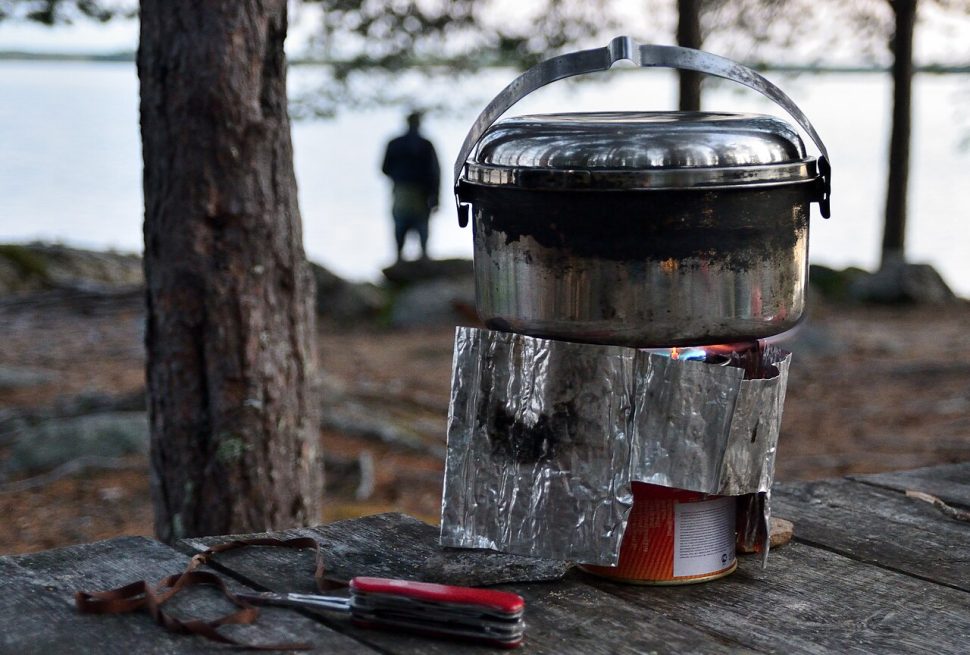
Wind is the enemy of every stove. A windscreen that blocks breeze from reaching the flame can cut boil times dramatically. Some stoves include integrated windscreens, while others require a separate foil or metal screen you wrap around the pot.
Good to know
With canister stoves, be careful with windscreens that trap heat around the fuel canister. Overheating a canister can cause it to vent or rupture. Leave a gap for airflow and never fully enclose the canister with a windscreen.
Simmer control means the stove can maintain a low flame for actual cooking rather than only full blast. Liquid fuel stoves generally offer good simmer control through the fuel pump valve. Canister stoves vary widely. Some have precise flame adjustment, while cheaper models offer limited control.
How Altitude and Cold Change Stove Performance
Altitude and cold often go together in places like Rocky Mountain National Park or the high country of national forests, and both change how a stove behaves.
Altitude can change how quickly water boils and how long food takes to cook, so allow extra fuel and time at higher elevations.
Cold affects fuel differently depending on type. Canister stoves may lose pressure in cold temperatures, which can reduce flame output. Liquid fuel stoves are less affected by cold since the fuel is pressurized by the pump rather than its own vapor pressure.
For cold-weather or high-elevation trips, consider whether your fuel choice will hold up. Stoves that rely on pressurized canisters can be more affected by temperature. If you are planning your first backpacking trip and expect cold nights or elevation, factor stove fuel into your gear decisions.
Weight and Packed Size for Car Camping vs. Backpacking
Weight matters less for car camping and more for backpacking, and your stove choice reflects this.
For car camping, a two-burner propane stove that runs on a refillable propane cylinder offers the best cooking experience. These stoves are stable, powerful, and let you cook real meals for a group. They are too heavy for backpacking but ideal at a drive-in campground.
For backpacking, stove systems vary widely in weight. The lightest canister stoves weigh a few ounces, while liquid fuel stoves with bottles and pumps weigh noticeably more.
Integrated canister systems that pair a stove with a matching pot and windscreen offer good efficiency and stability at moderate weight. They are popular with newer backpackers because they are simple to use and pack together.
When Stoves Are Allowed During Fire Restrictions
Fire restrictions on public lands follow stages, and what stove you can use changes with each stage. The rules matter because violations can bring fines up to $5,000 and imprisonment up to 6 months on federal land.
During Stage 1 fire restrictions, building or using a fire, campfire or stove fire is prohibited, including charcoal grills. The main exception is fires in constructed, permanent fire pits or fire grates within developed recreation sites. Portable stoves and lanterns using gas, jellied petroleum or pressurized liquid fuel are allowed. At Black Canyon of the Gunnison National Park under Stage 1 restrictions, wood or charcoal fires are prohibited except within campground- or picnic area-provided grills or grates, while gas grills and camp stoves are permitted.
Stage 2 restrictions are stricter but still allow certain stoves. At Black Canyon of the Gunnison and Curecanti National Recreation Area under Stage 2, properly shielded gas or liquid-fueled portable camp stoves are allowed while all other fires, including charcoal fires, are prohibited. Elsewhere, Stage 2 rules may allow devices using pressurized liquid or gas that include shut-off valves, provided they are used at least three feet from flammable material such as grasses or pine needles.
Stage 3 restrictions mean full closure of the forest or area, and no stoves of any type are allowed because no entry is allowed at all.
The key detail is whether a stove has a shut-off valve. Stoves fueled by pressurized gas or liquid with a valve you can close are typically allowed. Check the specific restrictions for anything that does not have a shut-off valve.
Rocky Mountain National Park prohibits campfires at certain backcountry sites like Siskin and requires portable stoves only. Mesa Verde National Park keeps Stage 1 restrictions in effect year round and allows stoves fueled by petroleum or liquid propane gas. The Blue Ridge Parkway permits gas-powered stoves wherever picnicking or camping is allowed.
The rule of thumb is that portable stoves using pressurized gas or liquid fuel with a shut-off valve are usually allowed during Stage 1 and Stage 2 restrictions. Campfires themselves are limited to developed-site fire pits or grates under Stage 1 and generally banned under Stage 2. Check the current restrictions for the specific park or forest before your trip, since rules change with conditions.
For more on fire rules, see our guide to campfire rules and safety, which covers firewood rules, fire restrictions, and how to put a fire out cold.
Fuel Storage and Canister Disposal
How you store and dispose of fuel matters for safety and for the land.
Canister fuel comes in disposable metal containers designed for the stove. When empty, check local recycling and disposal rules for empty canisters.
Liquid fuel bottles are refillable at home. Store fuel bottles upright and away from heat sources. White gas and kerosene have long shelf lives when stored properly, but old fuel can degrade and clog stove components. Alcohol fuel should be stored in a clearly marked container separate from water bottles, since denatured alcohol is toxic if ingested.
Never leave fuel canisters or bottles in a hot car or direct sun for extended periods. Heat increases pressure in sealed containers and creates risk of leaks or rupture.
Why a Stove Never Goes Inside a Tent
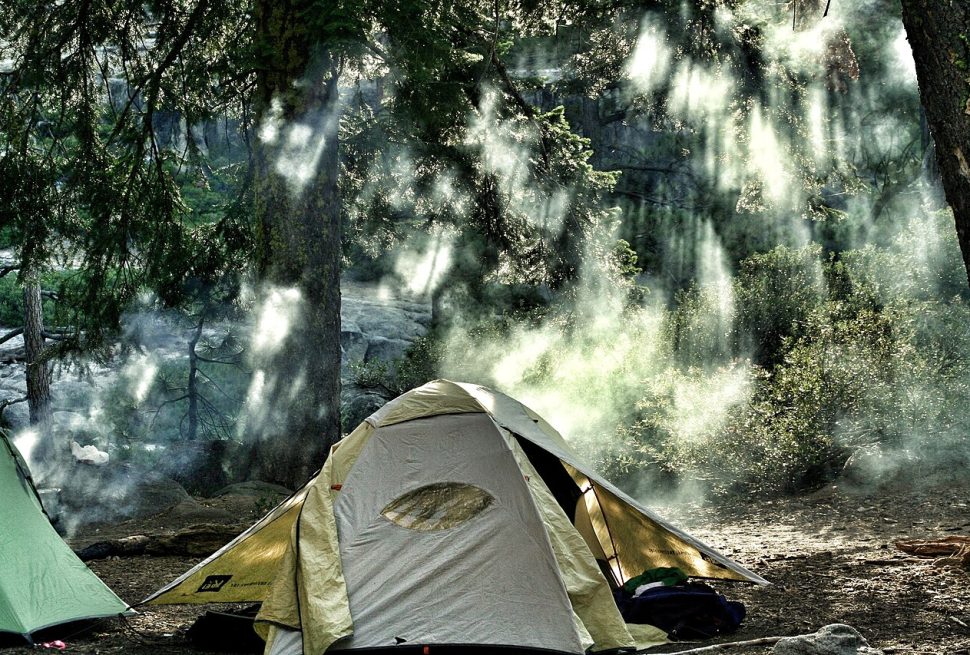
The one absolute rule with every stove type is that stoves never go inside a tent or enclosed shelter. Cooking should happen outside the tent, even in cold or wet weather.
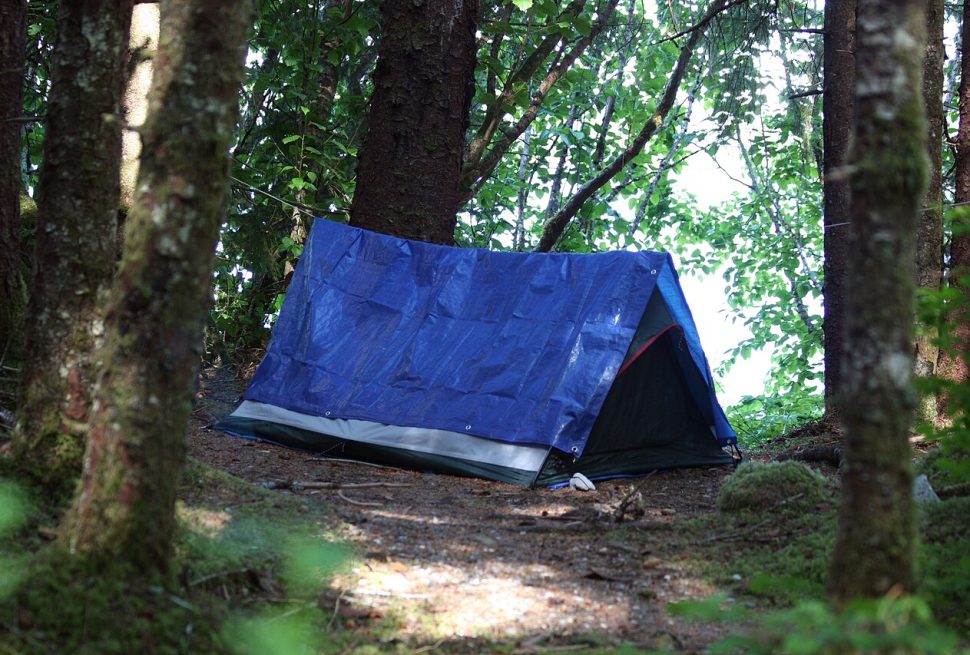
If weather is bad, set up a tarp or canopy separate from the tent for cooking. Keep the stove on a stable surface away from tent walls, and let it cool before storing.
- Campfire Rules and Safety covers fire restrictions, firewood rules, and how to put a fire out cold, so you know what is allowed beyond stoves.
- The Real Cost of a Starter Camping Kit breaks down what a first camping setup costs, including stoves and fuel alongside the rest of your gear.
- A First-Timer’s Guide to Planning a Backpacking Trip helps you think through stove weight and fuel needs as part of a first backpacking trip.
Camp notes
- Under Stage 1 fire restrictions, campfires are limited to constructed fire pits or grates in developed recreation sites, while portable stoves using gas, jellied petroleum or pressurized liquid fuel are allowed.
- At Siskin backcountry site in Rocky Mountain National Park, campfires are prohibited; use portable stoves only.
- Mesa Verde National Park allows stoves and equipment fueled by petroleum or liquid propane gas, and keeps Stage 1 restrictions in effect year round.
- Violating fire restrictions on federal public lands can result in fines up to $5,000 and/or imprisonment up to 6 months.
- Never use a fuel-burning stove inside a tent.
Questions campers ask
What type of camp stove is allowed during fire restrictions?
Under Stage 1 restrictions, portable stoves using gas, jellied petroleum or pressurized liquid fuel are typically allowed, and campfires are limited to constructed fire pits or grates in developed recreation sites. Under Stage 2, devices using pressurized liquid or gas with shut-off valves are usually permitted when kept away from flammable material. Rules vary by park and forest, so check the current restrictions for where you are going.
Can I use a camp stove inside my tent?
No. Cooking with a fuel-burning stove should happen outside the tent, even in cold or wet weather.
What does a Stage 2 fire restriction mean for camp stoves?
Stage 2 restrictions still allow properly shielded gas or liquid-fueled portable camp stoves in places like Black Canyon of the Gunnison and Curecanti National Recreation Area, while all other fires, including charcoal, are prohibited. Devices with pressurized liquid or gas and a shut-off valve must be used at least three feet from flammable material.
Are campfires allowed at all national park campsites?
No. At Siskin backcountry site in Rocky Mountain National Park, campfires are prohibited and portable stoves only are allowed. Check the rules for each site.
Rules, fire restrictions and closures differ by park, forest and district and can change quickly. Check with the land manager before your trip. This guide is general information, not professional safety advice.